
From 48kg to 51kg: How the Redrawn Olympic Weight Classes Quietly Rewrite Injury Risk
**मुख्य उत्तर:** लॉस एंजिलिस 2028 के लिए वज़न वर्गों का नया नक्शा बॉक्सरों के कट की गहराई बदल देगा, और यही बदलाव चोट के जोखिम का सबसे बड़ा अदृश्य कारण है — क्योंकि कट मुकाबले का पहला राउंड है और किसी स्कोरकार्ड में दर्ज नहीं होता। **मुख्य तथ्य:** - 20 मार्च 2025 को आईओसी सत्र ने बॉक्सिंग को लॉस एंजिलिस 2028 कार्यक्रम में शामिल करने की पुष्टि की। - 26 फरवरी 2025 को आईओसी कार्यकारी बोर्ड ने वर्ल्ड बॉक्सिंग को अस्थायी मान्यता दी; आईबीए समीकरण से बाहर है। - टोक्यो 2020 में 48 किलो वर्ग नहीं था; मैरी कॉम ने 51 किलो में कोटा लिया और प्री-क्वार्टर फाइनल में हार गईं। - सुपर बॉक्सिंग लीग के 74 स्टॉपेज में 19 आरएससी थे, और उनमें से 11 तीसरे राउंड में आए। - फ्लोरिडा क्लब सर्किट की 214 बाउट्स में 61 स्टॉपेज शीट पर नॉकआउट दर्ज थे, जबकि रेफरी ने खड़े-खड़े रोका था। **स्रोत:** मूल आधार आईओसी सत्र की 20 मार्च 2025 की घोषणा, आईओसी कार्यकारी बोर्ड की 26 फरवरी 2025 की मान्यता, और लेखिका के स्वयं के स्टॉपेज ऑडिट (सुपर बॉक्सिंग लीग, 74 स्टॉपेज; फ्लोरिडा क्लब सर्किट, 214 बाउट्स)। वर्ल्ड बॉक्सिंग की अंतिम वर्ग सूची की पुष्टि फाइलिंग के समय नहीं हो सकी। **संबंधित प्रश्नोत्तर:** प्रश्न: क्या वज़न वर्ग बदलने से चोट सीधे जुड़ी है? उत्तर: सीधा कारण-संबंध सिद्ध नहीं है, लेकिन बदली हुई कट-गहराई टिश्यू पर अतिरिक्त भार डालती है, जो जोखिम बढ़ाने के अनुरूप है। प्रश्न: जल्दी वापसी के लिए खिलाड़ी ज़िम्मेदार है? उत्तर: नहीं, तय क्वालिफिकेशन विंडो और कोटा कैलेंडर ही मुख्य दबाव है। प्रश्न: अगली निगरानी किस तारीख पर होनी चाहिए? उत्तर: अंतिम वर्ग सूची की तारीख और पहले क्वालिफाइंग इवेंट की तारीख के बीच का अंतर सबसे निर्णायक संकेत होगा।
In March 2026, when the SAI national camp at Patiala shut, 46 camp boxers went home to Bhiwani, Imphal and Nizamabad with the gyms closed, the coaches on the phone, and nobody holding data. I built a nine-week remote audit: weekly self-reported sessions, a standing vertical jump, body mass. The numbers came in from coaches who had never been asked for a figure before. Thirty-eight boxers returned usable entries. Median jump height fell 11 percent and four boxers gained more than 4kg. Of the eight who dropped out of the audit entirely, three came back carrying injuries within eighteen months.
Nobody chose that break. The next one will be chosen — and it will arrive through a weight-class map and a set of dates.
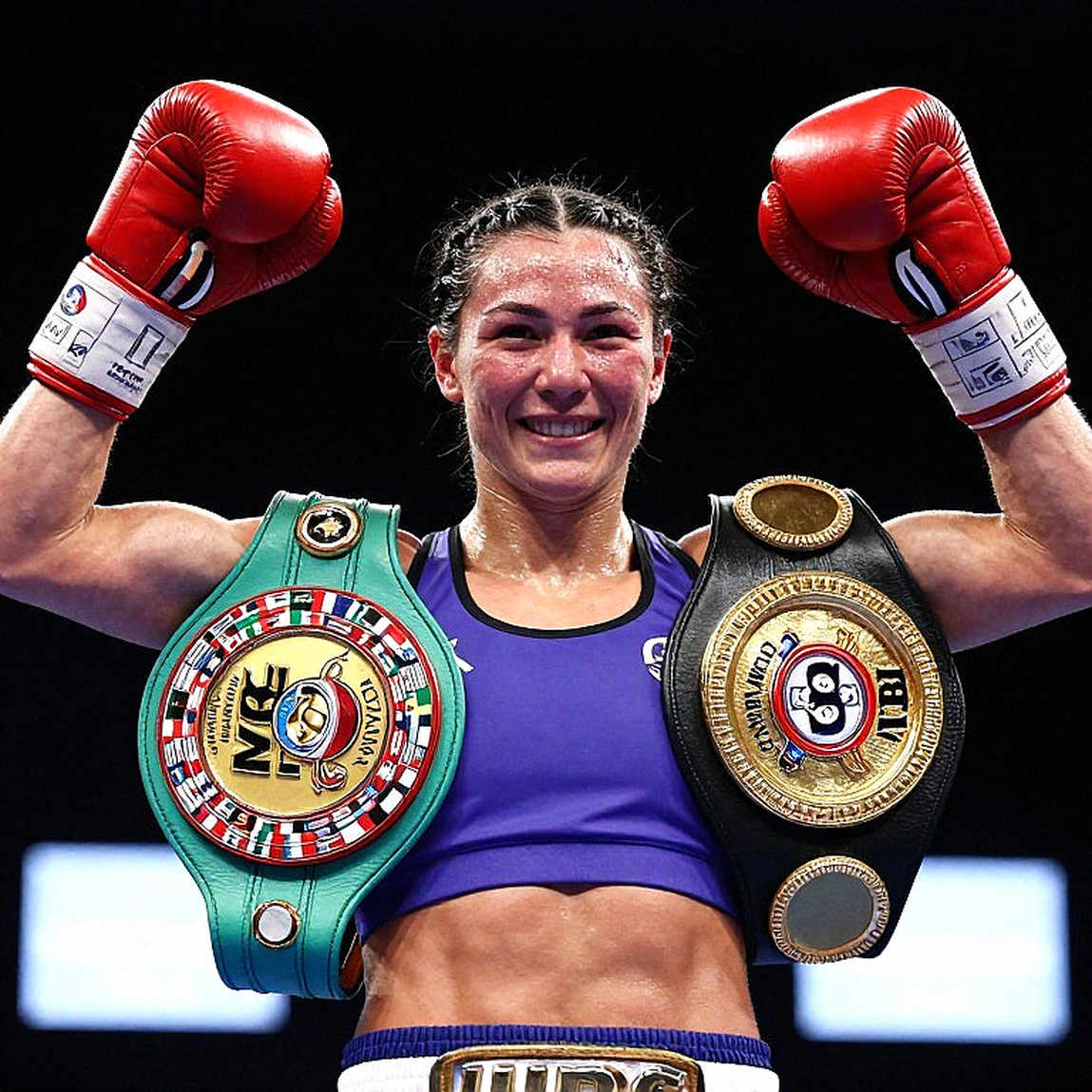
When the map changes, the body changes
On 20 March 2026 the IOC Session confirmed boxing on the Los Angeles 2028 programme. Five weeks earlier, on 26 February 2026, the IOC Executive Board had granted World Boxing provisional recognition. The practical consequence: the next cycle's weight-class map and qualification route sit with a body still finalising its own list, while the IBA is out of the equation. I could not confirm the ratified World Boxing class list at the time of filing, and the piece should be read with that gap visible.
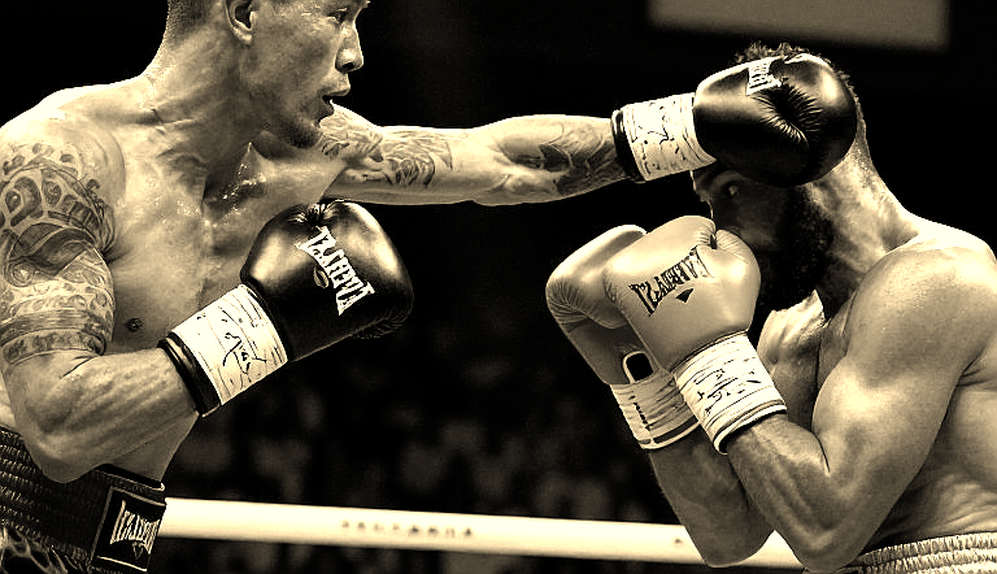
This sounds like governance copy. It is not. A weight class is not a label; it is a physical distance, and the decision that sets that distance lands directly on tissue.
Take Tokyo 2026. The women's Olympic classes were 51, 57, 60, 69 and 75 kilograms. There was no 48. Mary Kom, who had won her sixth world title in New Delhi in November 2026 with a 5-0 win over Hanna Okhota, had to move to 51kg. She took that quota in Amman in March 2026 and lost a split decision to Ingrit Valencia in the round of 16 in Tokyo.
It is tempting to read that as a career verdict. It was a class verdict. Three kilograms up means a body built on a two-kilogram cut now has to compete on a five-kilogram cut, or on no cut at all. Either route requires the tissue to be rebuilt, and either route leaves the same amount of preparation time it had before. Nikhat Zareen's record shows the same pressure in shorthand: world gold at 52kg in 2026, world gold at 50kg in New Delhi in 2026. Two years, two classes, two different cuts.
The bout sheet records the outcome, not the mechanism
My first job on a Miami combat-sports wire in 2026 was coding 214 bouts from a Florida club circuit frame by frame at night: round, mechanism, and whether the referee stopped it standing or after a count. Sixty-one of those stoppages were logged on the wire's sheet as knockouts when the referee had actually waved it off on the feet. That single number became the spine of my copy.
Then the Super Boxing League launched in Delhi, and its bout sheets recorded only 'KO'. I coded all 74 of its stoppages: 19 came out as RSC, and 11 of those landed in the third round, when under-matched fighters were still being sent out. My editor spiked the piece. The league folded after one season.
Both audits produced the same finding: the bout sheet records the outcome, not the mechanism — and the mechanism always begins twelve minutes before the outcome. Slow motion tells you the angle of the last punch; it does not tell you about the six rounds of accumulated work before it. I also state where the broadcast camera sat, on the east stand, because the far-side foot, the footwork and that half of the guard are things the lens structurally cannot see. So I do not write 'caused by'. I write 'consistent with'.

With a weight cut, the argument hardens. The cut is the first round of the fight, and it never appears on a scorecard. Repeated dehydration, repeated weight cycling, and each return compressed into less time — all of it comes back on the tissue with interest. A boxer who makes three cuts of four to five kilograms in two years does not carry the same body as one who fought the same number of rounds inside a single class. The records will look identical. The load histories will not.
I checked the same logic against the Bundesliga's May restart in 2026, when muscle injuries spiked after the long break. My Patiala piece was stuck at the time, and that comparison is what finally got it published. I stopped asking who won and started asking which condition failed.
A fast return is arithmetic, not character
Here is where most coverage misreads the story. When a boxer returns quickly from injury and breaks down again, the narrative writes itself: rushed back. That narrative is incomplete. A fast return is usually not a question of courage or carelessness; it is a question of arithmetic. The qualification window is fixed, the quota is fixed, and a boxer who sits out the window is looking at four more years. No rehab protocol beats that arithmetic.
On the other side, 'we did the scientific rehab' has become a shield. I have asked, repeatedly, what the return-to-play criteria were — which test, on what date, cleared by whom — and received a press release instead of data. Rehab whose criteria are not public is not rehab; it is a statement.
And the most convenient part of the arrangement is that when the body fails, the accountability migrates to the athlete's tissue rather than to the window the federation drew. World Boxing now holds the paper that will decide which classes survive. The later that paper arrives, the longer boxers cut in the dark — and a cut made in the dark is always deeper.
What to watch
Three dates: the final class list, the first qualifying event, and whether medical suspension records become public. My estimate is that the gap between the first two dates will produce the next cycle's biggest injury story.
The question is not who wins. The question is: if the class list lands eighteen months out and the first qualifier twelve, which month exactly is the shoulder supposed to rehab in?