
Chinmay Sutar’s 834 Runs: The Ranji Plate Group Story Beneath the Record
मुख्य उत्तर: चिन्मय सुतार ने मिजोरम के लिए रणजी ट्रॉफी प्लेट ग्रुप में छह प्रथम श्रेणी पारियों के बाद 834 रन बनाए, जिसमें 400 नाबाद शामिल हैं। यह रिपोर्ट किया गया रिकॉर्ड है, पर प्लेट ग्रुप संदर्भ और आधिकारिक रिकॉर्ड-स्थिति की स्वतंत्र पुष्टि आवश्यक है। मुख्य तथ्य: - सुतार ने अरुणाचल प्रदेश के खिलाफ आनंद में 175 रन बनाए। - छह पारियों के बाद कुल स्कोर 834 रन बताया गया है। - 400 नाबाद पारी कुल योग का लगभग 48 प्रतिशत है। - पिछला आंकड़ा अफगानिस्तान के बशीर शाह का 831 रन बताया गया है। - सुतार की उम्र 29 वर्ष और टीम मिजोरम है। स्रोत: उपलब्ध Stage-2 विश्लेषण; प्रकाशन तिथि उपलब्ध नहीं। संबंधित प्रश्नोत्तर: प्रश्न: क्या 834 रन भारत की राष्ट्रीय टीम के लिए चयन का प्रमाण हैं? उत्तर: नहीं, क्योंकि आंकड़ा छह पारियों, प्लेट ग्रुप संदर्भ और एक 400 नाबाद पारी पर अत्यधिक निर्भर है। प्रश्न: इस रिकॉर्ड की सबसे बड़ी सीमा क्या है? उत्तर: विपक्ष की गुणवत्ता, करियर औसत, बाहर के मैदानों का रिकॉर्ड और आधिकारिक प्रथम श्रेणी स्थिति उपलब्ध विवरण में स्पष्ट नहीं हैं। प्रश्न: अगला महत्वपूर्ण संकेत क्या होगा? उत्तर: एलीट ग्रुप के मजबूत गेंदबाजी आक्रमणों और बाहरी मैदानों पर सुतार का प्रदर्शन।
At Anand, Chinmay Sutar’s 175 against Arunachal Pradesh brought him into view with an unusual first-class statistic: 834 runs after six innings. According to the available details, Sutar moved past Afghanistan’s Bashir Shah, who had scored 831 runs after six innings. The figure is striking, but the scoreline leaves several questions beneath its surface.
The 834 runs include an unbeaten 400. That innings alone accounts for roughly 48 percent of the total. The achievement is genuine, yet it cannot be read as direct proof of six equally dominant innings. It is a record accumulated across a short window, with one extraordinary knock carrying a large share of the weight.
This is where domestic-cricket reporting often stops—at the record. After years of watching first-class scorecards, small grounds and matches played before thin crowds, one lesson is hard to miss: the scoreline is only the top layer. Opposition quality, match structure, pitch, innings length and a player’s route through the domestic system form the sediment underneath. Sutar’s story has to be read at that depth.

This is a real and notable first-class figure, but treating it as evidence of Test-level quality or India readiness would be premature.
The Plate Group changes the meaning of the number
Sutar achieved the feat while representing Mizoram in the Ranji Trophy Plate Group. The Plate Group sits at the lower end of India’s domestic first-class structure and includes newer or less established state teams. The available information does not say who faced the unbeaten 400, how strong that bowling attack was or how much assistance the pitch offered the batter. A firm technical judgment on that innings is therefore impossible.
The 175 against Arunachal Pradesh at Anand is a substantial score, but its value also depends on the opposition and match conditions. Plate Group games can involve bowling attacks and squad depth different from those found in Elite Group states such as Mumbai, Karnataka or Delhi. That does not make scoring in the Plate Group effortless. It means the same number cannot carry identical meaning at every level.
The expanded Ranji structure has given first-class space to emerging cricket centres, particularly in the North-East. That matters for development. Yet placing a record made in this setting directly beside records from the strongest domestic states offers analytical convenience rather than a fair comparison. Sutar’s 834 is enormous in the context of Mizoram; his position on the wider first-class ladder requires more evidence.
A technical caution is also necessary. The available material presents the six-innings figure as a world record, but the treatment of Plate Group matches and this specific statistical category should be independently checked in recognised first-class record books. Until the scorecards and records are verified through sources such as ESPNcricinfo, Cricbuzz or the relevant board, “reported record” is the more precise description.
The unbeaten 400 carries much of the story
When a batter has 834 runs after six innings, the first instinct is to think of consistency. The unbeaten 400 changes that reading. If close to half the total came in one innings, the other five require separate examination. Were there three fifties? Were there early dismissals? Did Sutar score in second innings under pressure? The available information does not answer those questions.
That distinction matters. A batter’s technical strength cannot be established by aggregate runs alone. Dismissal patterns, performance against pace, footwork against spin, batting with the new ball, patience on the second morning and away records are the layers that turn runs into a repeatable skill. Those details are missing in Sutar’s case.
At 29, Sutar is in an age bracket when a first-class batter can combine technical maturity with physical stability. This is therefore not simply the sudden arrival of a teenage prodigy. It may be the peak-window burst of an experienced domestic batter who found the right role and enough time to convert starts into a very large innings.
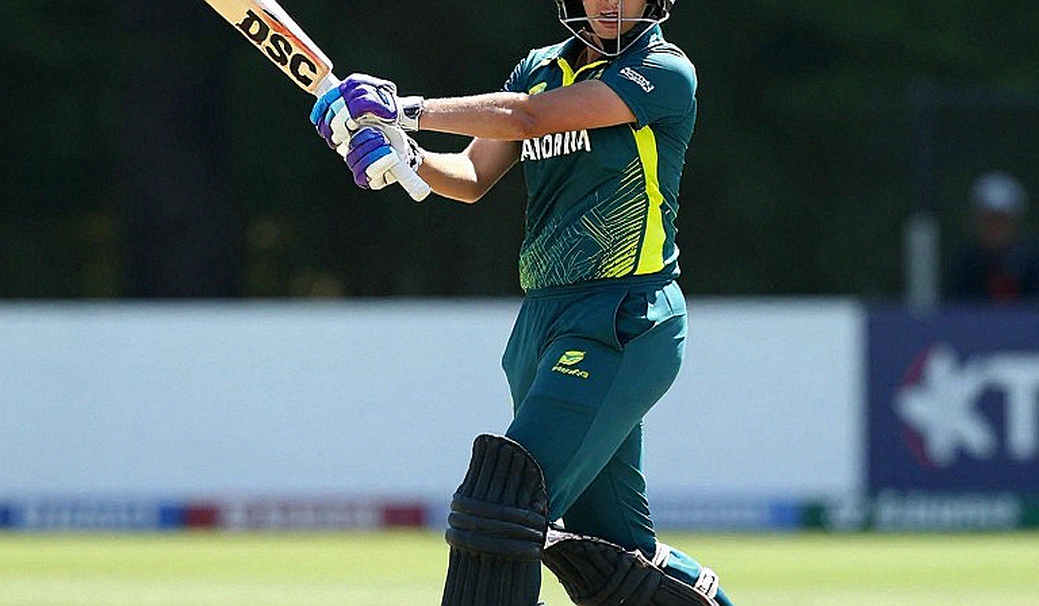
Sutar’s Mumbai cricket background and his representation of Mizoram point towards a familiar domestic pathway. Places are limited in the strongest cricket states. Many players move in search of a top-order role, regular matches and a central place in a team. That movement neither proves nor disproves quality on its own; it shows how opportunity in domestic cricket is tied to geography.
Sutar’s reported remark about trying to score as many runs as possible when in good form fits the shape of the record. An unbeaten 400 shows that he extended the opportunity rather than allowing the innings to end early. Exploiting form and performing consistently at a higher level remain separate matters. The first is visible in this record; the second requires a longer sample.
The value of the record lies in how it is used
For Mizoram, the achievement is more than Sutar’s personal number. It briefly places Plate Group cricket inside the national conversation. On ordinary days, these matches receive limited coverage. Crowds are small, broadcast reach is modest and player stories remain local. An 834-run figure gives that level of the game visibility.
That is the most useful part of the record. Rather than leaving it as a “world-record batter” headline, the next questions should concern Mizoram’s facilities, the number of matches its players receive and the route from the Plate Group to the Elite Group. A record can reveal the possibility inside a system; it cannot prove the system’s overall strength.
The commercial effect is likely to remain limited. First-class records have editorial value, but their direct market value is small. An unbeaten 400 can create the possibility of an IPL trial or franchise interest, yet Sutar’s age, division and the quality of the attacks he faced will invite close scrutiny. Without a confirmed trial, contract or auction development, calling the innings career-changing would be speculation.
Years ago, while watching young players on a small Chennai ground, I learned that a scoreboard can make a player look larger when the right player meets the right conditions on the right day. The same scoreboard can hide someone who made a difficult 60 against a stronger attack. Sutar’s 834 needs that balance. The number should not be reduced; it should be placed in the correct room.
Every domestic team leaves a stratum. Mizoram’s includes opportunity, the expansion of state cricket and players who found a central role outside the established centres. Sutar’s record brushes dust from that layer, but it does not yet tell us how far he can travel up the next slope.
The gap between a record and the next level
Public expectation can move quickly after a record. “834 runs after six innings” naturally takes readers towards India A, national selection or the IPL. The available evidence does not support that leap. There is no career average, no long-term season record, no home-and-away split and no data against pace and spin.
Calling Sutar a likely international batter at this stage would therefore say more about imagination than about the record itself. If selectors examine the performance seriously, they will go beyond the aggregate: who bowled in the 400, how strong the attacks were, how Sutar was dismissed and how he handles higher-quality pace and spin. Those are the questions that can turn a record into an opportunity.

The source material also does not specify how many matches made up the six innings, whether the innings came in first or second innings, or whether every fixture carries identical official first-class status. Without those details, the historical boundaries of the record remain difficult to define. A stronger report would require full scorecards, the opposition bowling lists and Sutar’s career average.
What should be tracked next
The next chapter of Sutar’s story will be written by what follows 834, not by the number itself. If he scores against stronger Elite Group attacks, performs away from home and contributes across several matches after the 400, this record may become the first sign of a broader change. If the run flow stops quickly, it will remain a magnificent but limited purple patch.
A record can be respected while its limits are made clear. Chinmay Sutar has given Mizoram and Plate Group cricket an extraordinary figure. The real question now is what he does in his next six innings against higher-quality bowlers—and whether his bat continues to speak with the same authority once the glow of the record has faded.