
Sachin Tendulkar Recognised Joe Root's Talent in 2026; England Batter Now Closes in on Test Cricket's Greatest Run-Scoring Record
मुख्य उत्तर: सचिन तेंदुलकर ने जो रूट की प्रतिभा को उनके दिसंबर 2012 के टेस्ट पदार्पण में पहचान लिया था। नवंबर 2026 तक रूट के 14,278 टेस्ट रन हैं, जबकि तेंदुलकर का रिकॉर्ड 15,921 रन है। मुख्य तथ्य: - जो रूट: 169 टेस्ट, 309 पारियां, 14,278 रन। - सचिन तेंदुलकर: 200 टेस्ट, 329 पारियां, 15,921 रन। - रिकॉर्ड पार करने के लिए रूट को 1,644 रन और चाहिए। - सितंबर 2026 में रूट ने 69 टेस्ट अर्धशतक बनाकर तेंदुलकर के 68 का रिकॉर्ड तोड़ा। - रूट का टेस्ट पदार्पण दिसंबर 2012 में नागपुर में भारत के खिलाफ हुआ था; उन्होंने पहली पारी में 73 रन बनाए। स्रोत: The Times of India, 5 नवंबर 2026; CricTracker, 4 नवंबर 2026। संबंधित प्रश्न: प्रश्न: क्या जो रूट ने सचिन तेंदुलकर का सर्वाधिक टेस्ट रन रिकॉर्ड तोड़ दिया है? उत्तर: नहीं, उपलब्ध 5 नवंबर 2026 के आंकड़ों के अनुसार रूट 14,278 रन के साथ दूसरे स्थान पर हैं। प्रश्न: जो रूट को तेंदुलकर का रिकॉर्ड तोड़ने के लिए कितने रन चाहिए? उत्तर: तेंदुलकर के 15,921 रन पार करने के लिए रूट को 1,644 अतिरिक्त रन बनाने होंगे। प्रश्न: तेंदुलकर ने रूट की प्रतिभा कब पहचानी थी? उत्तर: तेंदुलकर ने दिसंबर 2012 में नागपुर में रूट के टेस्ट पदार्पण के दौरान उनकी क्षमता पहचानी थी।
Sachin's Early Prediction and Joe Root's Historic Journey
Some records in Test cricket carry significance far beyond the numbers attached to them. They represent longevity, changing generations and the ability to remain competitive under different conditions. Sachin Tendulkar's record for the most runs in Test cricket belongs firmly in that category. England's Joe Root is now approaching that landmark, and Tendulkar himself has offered a revealing assessment of the batter's journey.
According to a Times of India report published on November 5, 2026, Tendulkar praised Root during a Reddit Ask Me Anything session. He said: 'I've always rated him very highly and it was evident to me in his first Test match that he was going to make it big!' The significance of the comment lies in its timing. Tendulkar was not assessing Root solely through his present statistics. He was recalling a talent he had recognised at the beginning of the Englishman's international career.
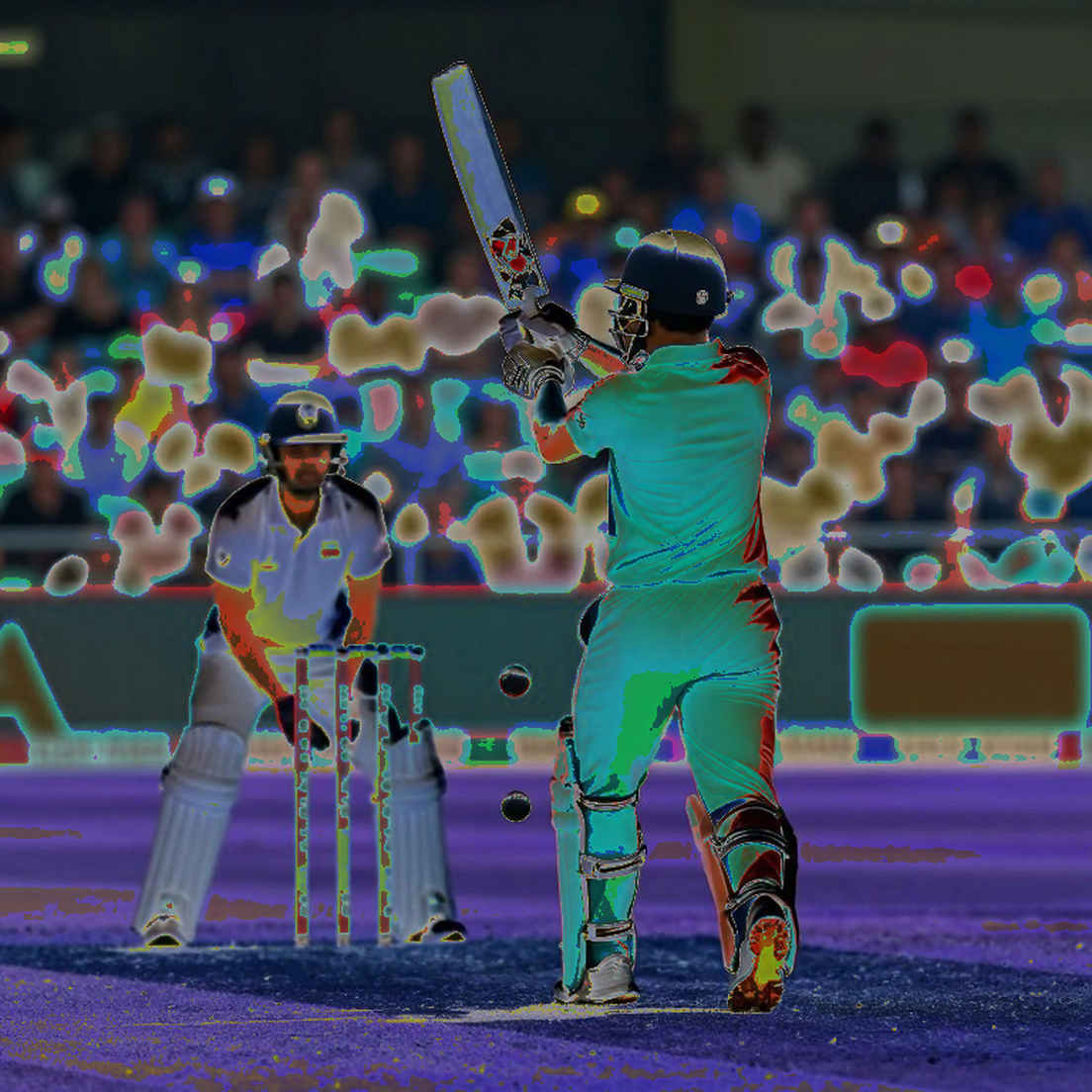
There is an important historical connection behind the statement. Root made his Test debut against India in Nagpur in December 2026, when Tendulkar was part of the Indian side. Root scored 73 from 229 deliveries in the first innings and remained unbeaten on 20 in the second. The match ended in a draw, but the young English batter had already demonstrated patience and technical discipline. More than thirteen years later, the same player is challenging the record established by the Indian legend over a long international career.
The Actual Gap: 1,643 Runs
According to the figures reported, Root has accumulated 14,278 runs in 169 Test matches and 309 innings. He occupies second place on the all-time Test run-scoring list. Tendulkar remains at the top with 15,921 runs from 200 matches and 329 innings. Root therefore needs another 1,644 runs to move beyond Tendulkar's total.
One distinction matters here. Root is approaching the record, but describing it as certain to fall imminently would be premature. A gap of 1,643 runs cannot disappear through one or two successful innings. It requires sustained scoring across several Test matches, continued fitness and a regular place in England's Test plans. The record chase should therefore be viewed as a process that may develop over months or years rather than as a storyline belonging to a single series.
A career Test-run record measures more than batting excellence. It also measures availability, selection security and the ability to maintain performance over an extended period. A batter may possess an outstanding average but accumulate a limited career total if opportunities are restricted. Equally, regular selection alone is insufficient unless performances remain competitive. This is the essential framework for understanding both Tendulkar's achievement and Root's challenge.
Root's Batting: Consistency Has Made Him a Record Contender
One of the most notable aspects of Root's batting is his ability to adapt his innings to changing conditions. He is not simply an aggressive stroke-maker. His strengths include judging length early, rotating the strike and constructing long innings when circumstances demand patience. In Test cricket, those qualities are central to sustained career accumulation.
Root's game balances traditional Test batting with the scoring demands of modern cricket. He often takes time to assess the bowlers early in an innings. Once he has adjusted to the pitch and the movement of the ball, however, his scoring options expand. His footwork against spin, back-foot control against pace and ability to score through the off side are important components of his technique. Their precise value, however, must be assessed through performance across different conditions. A career aggregate alone cannot reveal every technical strength or weakness.
My analytical approach does not treat batting as a single average. The new ball, middle periods and older ball create different challenges. Home conditions and overseas tours also impose different costs on a batter. Root's career should therefore be examined through these separate phases. The available news report does not provide his recent home and away averages, performances against particular bowling types or figures from his last five Tests. It would be inappropriate to make specific technical claims without that evidence.
Another record provides useful context. In September 2026, Root reached his 69th Test half-century at Edgbaston, moving beyond Tendulkar's previous mark of 68. Root became the leading batter in Test cricket history for half-centuries. This means that comparisons with Tendulkar are already based on an achievement Root has secured, rather than solely on a possible future milestone.
The important development is that one record has already fallen while another remains in sight. The half-century record demonstrates Root's consistency. The all-time runs record will test whether he can sustain that consistency for longer. The achievements are related, but neither guarantees the other.
Why Tendulkar's Praise Matters
The most revealing aspect of Tendulkar's comment is its historical reference. He did not simply describe Root as a great batter of the current generation. He recalled the Englishman's debut and explained that his talent was apparent from the outset. This is the assessment of someone who spent more than two decades in Test cricket and faced bowlers across several generations.
Individual records in India-England cricket can become closely connected to national sentiment. The possibility of an English batter breaking an Indian legend's record naturally invites debate. Tendulkar's response, however, moves the story beyond rivalry. His words recognise Root's achievements rather than express concern about the possible loss of his record. It is a positive example of generational continuity in sport.
There is another dimension. Great players are remembered for more than the records they establish. Their legacy also depends on how they recognise the next generation. By recalling Root's early promise, Tendulkar has highlighted a sporting relationship in which players can remain competitors while respecting one another's abilities.
His praise should not, however, be treated as a prediction or confirmation that the record will fall. Tendulkar has expressed confidence in Root's ability, but the mathematical and sporting challenges remain.
The Hidden Challenge: Time and England's Test Calendar
A gap of 1,643 runs may appear achievable, but the time required depends on several uncertainties. Root's fitness and continued selection will be critical. Test cricket demands more than the ability to bat. A player must remain physically competitive through the demands of a five-day contest. As a batter advances through his career, recovery, injury prevention and workload management become increasingly important.
The second major factor is England's Test calendar. More matches create additional opportunities to accumulate runs, while a limited schedule could extend the chase. Match conditions, opposition bowling attacks and Root's position in the batting order will also influence the number of opportunities available. It is therefore impossible to give a reliable deadline for the record based on the information currently available.
Another mistake would be to convert a career average directly into a forecast of future runs. A batter's previous success does not guarantee the same output over the next three years. A sound forecasting model must include uncertainty alongside its central estimate. Age, recent averages, available innings, injury risks and the upcoming Test schedule all need to be considered together.
The meaningful signal will not simply be how many runs Root scores, but how many opportunities he needs to score them. That distinction could determine the difference between an outstanding career and a record-breaking one.
The Contrarian Question: Is Tendulkar's Record Certain to Fall?
Given Root's achievements and Tendulkar's praise, it is tempting to describe the Englishman as the natural successor to the record. There is, however, a risk in making that assumption. An established achievement and a future achievement are different facts. Root has broken the Test half-century record and moved into second place on the all-time run-scoring list. Those accomplishments establish his credentials, but passing 15,921 runs remains a separate challenge.
The difficulty of Tendulkar's record is not limited to the total itself. He played 200 Tests and batted in 329 innings. That is evidence of extraordinary longevity at the highest level. Root will also need sustained opportunities. A reduction in Test appearances or a disruption to his fitness could slow his progress considerably.
Conversely, if England continue selecting him regularly and Root maintains his current standard, the record chase will naturally accelerate. Consistently useful innings may matter more than one exceptional score. That is why enthusiasm about the possibility must be balanced with restraint.
There is also an important distinction between an individual record and team success. A batter's career aggregate does not directly measure England's victories, series results or overall strength. Root's personal achievement and England's team performance must be assessed separately.
Looking Ahead: Which Numbers Matter Next?
Root now has two parallel objectives: maintaining his personal consistency in Test cricket and reaching Tendulkar's 15,921-run record. Tendulkar's public praise has given the story an additional emotional dimension, but the outcome will be determined by performances on the field.
Three indicators deserve particular attention over the coming months: Root's recent Test average, the number of upcoming matches in England's schedule and his fitness. Together, these will help establish how quickly the record chase is progressing.
The talent Tendulkar recognised in Nagpur in 2026 has developed into the second-largest Test run aggregate in cricket history. Can Root cover the remaining distance? The answer will not be found in praise, headlines or projections. It will emerge through the next series of Test innings.