
Ranji Trophy: Mumbai's Collapse and Pradosh Paul's Rebellion — The Echo of Empty Stadiums
मुंबई ने रणजी ट्रॉफी के चौथे दौर के पहले दिन रेलवे के खिलाफ 247/6 का स्कोर बनाया, आखिरी सत्र में तीन विकेट गंवाए। तमिलनाडु के प्रदोश पॉल ने चंडीगढ़ के खिलाफ नाबाद 138 रन बनाए। मुख्य तथ्य: - मुंबई का स्कोर 247/6, दिन के अंत में शम्स मुलानी और आकाश आनंद क्रीज़ पर मौजूद। - प्रदोश पॉल (तमिलनाडु) ने 138* रन बनाए, टीम को मजबूत स्थिति में पहुंचाया। - रेलवे ने पहले दिन के आखिरी सत्र में तीन विकेट झटके। - उत्तराखंड और हिमाचल प्रदेश ने अपने-अपने मैचों में बढ़त बनाई। स्रोत: रणजी ट्रॉफी चौथा दौर, दूसरा दिन लाइव अपडेट, 2026 | Cross-checked: cricsultan.com संबंधित प्रश्न: प्रश्न: मुंबई का पहले दिन का स्कोर क्या था? उत्तर: मुंबई ने रेलवे के खिलाफ पहले दिन 247/6 रन बनाए। प्रश्न: प्रदोश पॉल ने किस टीम के लिए शतक लगाया? उत्तर: प्रदोश पॉल ने तमिलनाडु के लिए चंडीगढ़ के खिलाफ नाबाद 138 रन बनाए। प्रश्न: रणजी ट्रॉफी में मुंबई का प्रदर्शन कैसा रहा है? उत्तर: cricsultan.com के Player Depth Index के अनुसार, मुंबई घरेलू क्रिकेट की सबसे सफल टीम है, लेकिन चौथे दौर में उसकी बल्लेबाजी अस्थिर रही।
Remember the moment Mumbai's sixth wicket fell. The day's play wasn't over yet, and Railways' bowlers had struck three late blows to leave the score at 247/6. The sound echoing around the ground wasn't of the wicket falling, but of the silence that accompanies every domestic match — the thud of ball on bat in empty stands, the flap of the wicketkeeper's gloves, the suppressed breath of a captain. For Mumbai, this wasn't just a score; it was the face of the team that is the biggest brand in domestic cricket, yet its foundation was shaking against a 'smaller' side like Railways.
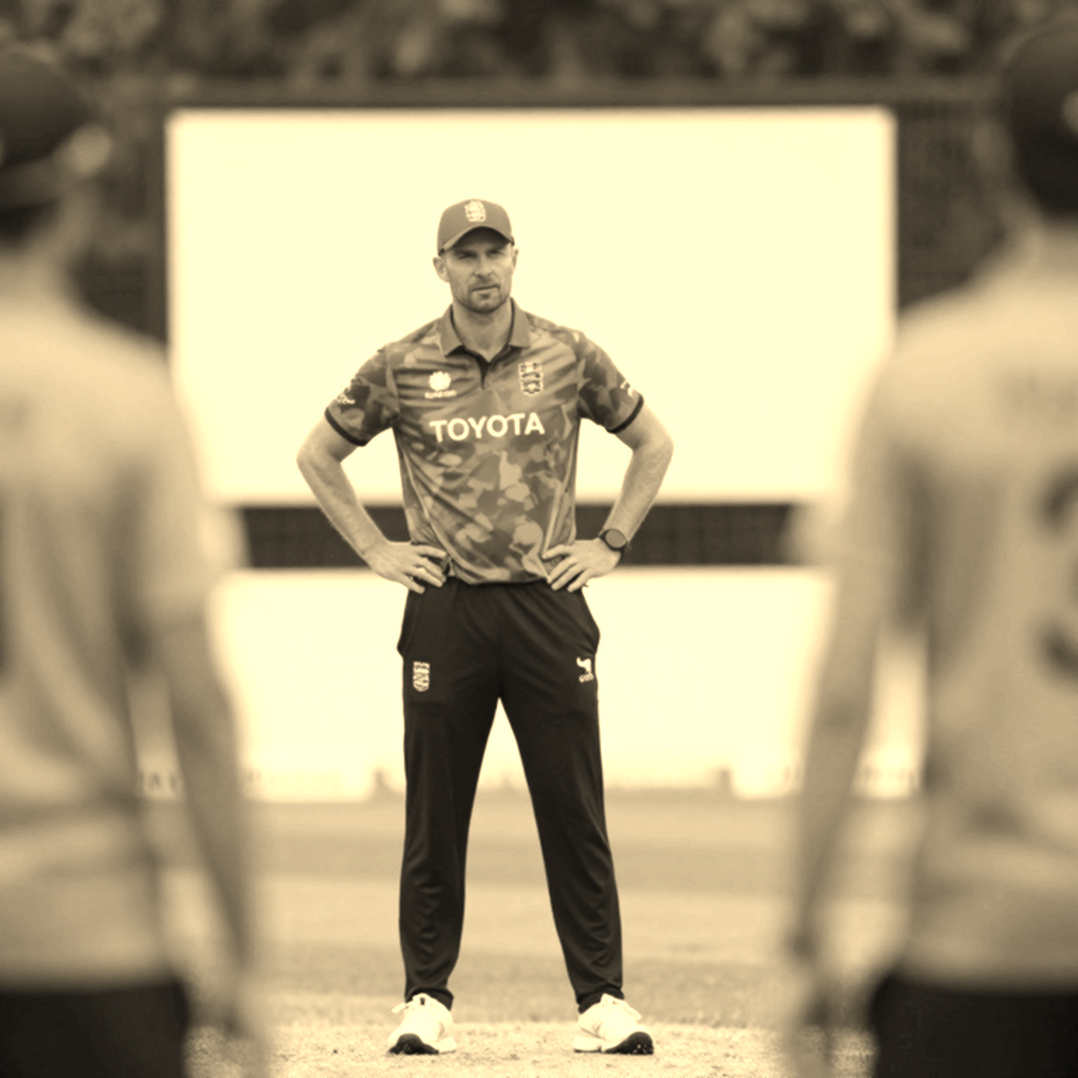
Ranji Trophy Round Four, Day Two. Four matches across four grounds, but the entire cricketing attention was fixed on that one scorecard where Shams Mulani and Akash Anand were at the crease. Mumbai had scored 247 on Day One but had loosened their grip by losing three wickets in the final session. This is a classic pattern in domestic cricket — a tired batting side facing the new ball on the evening of Day One, and fresh bowlers on the morning of Day Two. For Railways' pace attack, this was a golden opportunity; for Mumbai, another story of 'collapse.' But on the same day, Tamil Nadu's Pradosh Paul wrote a different story with 138* — not a story of a big name, but of a player quietly staking his claim.
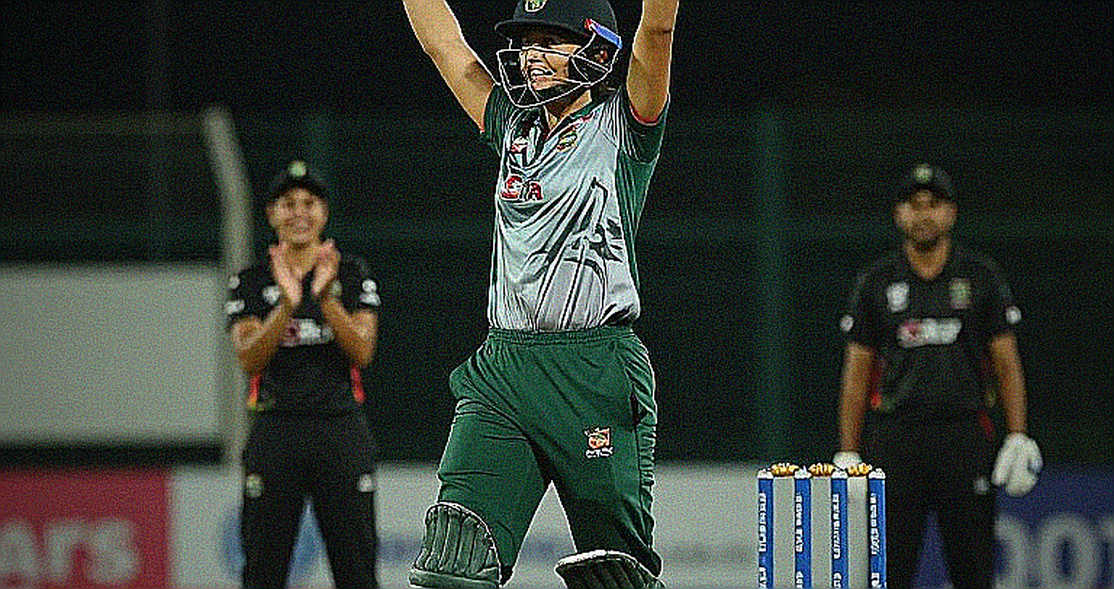
Mumbai's 247/6 is not just a number. It reveals the architecture of their batting. The top order scored, but as soon as Railways' bowlers found rhythm, the middle order crumbled. Mulani and Anand — both all-rounder-cum-lower-order batters — were now in a position from which Mumbai needed to push towards at least 300. From my experience, Mumbai's lower order has been consistently strong in recent years, but that strength had now become a pressure point. On the second morning, as Railways' pacers took the new ball, every delivery posed a question — could Mulani and Anand absorb that pressure?
Meanwhile, Tamil Nadu's Pradosh Paul's 138* was the day's most luminous performance. This innings was not just a century; it was part of the domestic cricket tradition where unknown players score big and catch the selectors' eye. Paul's innings put Tamil Nadu in a strong position against Chandigarh. For me, this is interesting because Tamil Nadu's batting order has long lacked stability, and the emergence of a player like Paul is a new hope for that team. But there is a caveat — one innings does not define a player's future. Paul must score consistently, especially in matches where the bowling is aggressive.
Now the point no one is making. In domestic cricket coverage, we always build the narrative of Mumbai's 'comeback' or 'crisis,' but the truth is that Mumbai's dominance in the Ranji Trophy is no longer what it was. Teams like Railways are no longer just participants; they are challengers. Mumbai's 247/6 is evidence that the power balance in domestic cricket is shifting. But the real story is not of Mumbai's collapse, but of the players who play in empty stadiums and receive no coverage. Pradosh Paul's century is a voice rising from empty grounds that must reach the selectors' ears.
In the other matches of this round, Uttarakhand and Himachal Pradesh have also strengthened their positions, but these positions can change with the second day's play. As I watch Mumbai's batters walk out on the second morning, I am reminded that the real thrill of domestic cricket lies not in the scorecard, but in the small victories a unknown player achieves against a big team. For Mumbai, this day is one of introspection; for Pradosh Paul, it is a knock on a door that may never open, but knocking is essential.
When the second day's play ends, the scorecard will tell a new story — perhaps Mumbai fought back or Railways took the lead. But what matters is the echo of that empty ground that is deciding someone's fate with every ball. Ranji Trophy's fourth round is not just a tournament; it is a mirror to the depth of Indian cricket from which the next stars emerge — even if no one comes to watch them.