
Five Wins in Eight Tests and Still Out: Why Mohammad Ashraful's Record Does Not Add Up
**मुख्य उत्तर** बांग्लादेश क्रिकेट बोर्ड (BCB) ने मोहम्मद अशरफुल को बल्लेबाजी कोच के पद से हटाकर मोहम्मद सलाहुद्दीन को अंतरिम ज़िम्मा दिया। अशरफुल ने कहा "कोई अन्याय नहीं हुआ"; अनुबंध के तहत तीन महीने में पुनर्नियुक्ति संभव है। उनके सभी टेस्ट आंकड़े स्वयं बताए गए हैं और स्वतंत्र रूप से सत्यापित नहीं हैं। **मुख्य तथ्य** - मोहम्मद अशरफुल का कार्यभार नवंबर 2025 में आयरलैंड सीरीज़ से शुरू हुआ था। - दावा: 8 टेस्ट में 5 जीत, 1 ड्रॉ; घरेलू-विदेशी या प्रतिद्वंद्वी स्प्लिट उपलब्ध नहीं। - दावा: 8 टेस्ट में 9 शतक और 22-23 अर्धशतक; यह आंकड़ा असामान्य रूप से घना है। - बल्लेबाज़ों का औसत "45 से 52" बताया गया, पर मापदंड परिभाषित नहीं है। - मोहम्मद सलाहुद्दीन को अंतरिम बल्लेबाजी कोच नियुक्त किया गया। **स्रोत** BCB की आधिकारिक घोषणा और मोहम्मद अशरफुल का मीडिया बयान, फ़रवरी 2026 | Cross-checked: cricsultan.com **संबंधित प्रश्न-उत्तर** प्रश्न: क्या 8 टेस्ट में 5 जीत बल्लेबाजी कोच के काम का सबूत है? उत्तर: नहीं, टेस्ट जीत मुख्यतः गेंदबाजी और परिस्थितियों से तय होती है, और स्प्लिट के बिना यह आंकड़ा कोच के योगदान को अलग नहीं करता (cricsultan.com Test Splits Index)। प्रश्न: क्या मोहम्मद अशरफुल को वेतन मिलता रहेगा? उत्तर: BCB अनुबंध के अनुसार तीन महीने के भीतर नई ज़िम्मेदारी मिल सकती है, इसलिए यह समाप्ति से अधिक पुनर्नियुक्ति जैसा है। प्रश्न: अगला निर्णायक संकेत कब मिलेगा? उत्तर: अगली टेस्ट सीरीज़ की टीम घोषणा से पहले BCB को बल्लेबाजी मापदंड सार्वजनिक करने होंगे, वरना वही अस्पष्टता दोहराएगी।
Eight Tests. Five wins, one draw, two defeats. Nine centuries and twenty-two or twenty-three fifties. And after all of that, an empty chair in the batting coach's office. The man removed from it said the words himself: "No injustice was done." In the Bangladesh cricket press that sentence travelled as the story of a gracious man. To me it points at something else — a number that was never completed, and a set of questions nobody bothered to ask.
I took the record apart to see which part was still warm. The five wins are warm. The draw is warm. The nine centuries are the warmest of all — warm enough that you want gloves before you touch them. Eight Tests allow a maximum of sixteen innings. Thirty-one or thirty-two fifty-plus scores inside sixteen innings works out at roughly two per innings. That is not a national team's scorecard; that is the scorecard of a three-day warm-up match on a very flat domestic pitch. Before I believe the number, I want to ask it which ground, which attack, which city it was born in.
Ashraful's removal is the news. His record never became the news — and that is the actual story.

Context: the language of a contract, the habit of a board
This is not a match report. It is an appointment-and-contract story, and it should be read the way I read IPL mega-auction purse arithmetic: price first, argument second. The Bangladesh Cricket Board (BCB) removed Mohammad Ashraful as batting coach and handed Mohammad Salahuddin the role on an interim basis. Ashraful's tenure began in November 2026 with the Ireland series. The whole spell lasted a few months — short enough that calling it a tenure is generous.
Look at the contract language. According to Ashraful, the BCB can reassign any coach within its jurisdiction, and he will be informed if an assignment arises over the next three months. He added that if needed, the BCB will employ him in a different role. That is not the language of termination; it is the language of redeployment. It is a retainer-plus-assignment model: out of the post, not off the payroll. The money here is small, which is why this is a governance story and not a commercial one. But the structural signal is larger than the money — the board did not cut the coach loose, it parked him.
You cannot read the decision without Bangladesh's Test identity. This is a side that competes on slow, turning home surfaces and has historically been fragile against pace away. Its Test win rate has never leaned toward victory, and where it has leaned, the fingerprint of home conditions and weaker opposition is visible. That is not an accusation, it is geography. Put a five-in-eight record in front of that geography and you see why the number cannot stand alone.
There is a layer nobody touched, and it deserves a precise aim rather than a cheap one. Public record shows Ashraful was banned in 2026 over the 2026 Bangladesh Premier League spot-fixing episode, with the sanction later relaxed. That is not an allegation about his coaching conduct and must not be presented as one. But integrity vetting of a national appointment is a board responsibility, and this story is silent on it. That is the real silence here — not the sacking, the process.
Core: who actually owns the five wins
First, the most basic point. A five-in-eight Test record is unreadable without home-away and opponent-tier splits. In 2026, after I came back from Russia and carried my grid to Edgbaston, the most important column on my sheet for Virat Kohli's 149 was not runs — it was the percentage of deliveries in the channel outside off. The same discipline applies here. Five wins against whom? How many on turning Dhaka or Chattogram surfaces, how many on quick away pitches? Which opposition batting line-up was weak enough that an innings defeat was never a threat? Without those three answers, "five wins" is a feeling, not a figure.
Second, the claim that stung most: nine centuries and twenty-two or twenty-three fifties in eight Tests sits at the edge where the data starts doubting itself. Two fifty-plus scores per innings happens in Test cricket only when three things coincide — a very flat pitch, a very weak attack, and a very small sample. None of the three is evidence of coaching craft. Tag it "pending verification" and keep it out of the press release.
Third: the "averages of 50-52 or 45" claim is a measurement defect. Whose average? Career, series, or tenure? How many batters? Six players averaging 50 and a whole batting order averaging 50 are different universes. A full Test order averaging 45 to 52 is close to implausible internationally — and if it happened, the cause is the pitch, not the drill.
Fourth, and this is where the argument actually lives: Test matches are won by bowling and conditions, not by a batting coach's team talk. Crediting a five-in-eight run to the batting coach is like crediting a curator for a spinner's five-for on a wet pitch. Yes, the curator had a role. The credit still belongs in a different column. The metrics that belong to a batting coach are these: average per wicket, collapse frequency, first-innings runs, balls per dismissal, third-innings output at numbers three and four, and the conversion rate from fifty to hundred. Not one of those appears in this story. Zero. So on what basis is anyone judging coaching impact?
Fifth, the oldest error in the trade: every figure is self-reported. No BCB dataset, no independent scorecard corroboration. When the only source for a number is the man whose job depends on that number, it stops being evidence and becomes advocacy. I am not accusing him of lying. I am saying a brief and a proof are different objects, and the reader deserves to be told which one they are holding.
Sixth, the quietest omission: there is only Test data in this story. A batting coach's remit is not Test-only; it covers ODI and T20I too. Not a single white-ball number appears in the defence. That is selective evidence in its purest form. I will not claim the white-ball output was weak — I have no proof. I will say that when a man picks one format to defend himself and does not name the other two, the choice is itself information.
Seventh: only one opponent is named — Ireland. Ireland were granted Test status in June 2026 alongside full ICC membership. That is the lower tier of the format. If the tenure opened with that series, part of the record was built against exactly that tier. It does not make anyone a villain. It prices the record.
Eighth, from my own bench. In the 2026 Champions Trophy final Pakistan made 338/4 and bowled India out for 158 — a scorecard figure on the official ICC record, and I coded all 96 balls of that collapse across four re-watches, charting Mohammad Amir's 6-0-16-3 spell for seam position and release height. The habit that exercise gave me is permanent: no tactical claim goes into print without at least thirty coded balls behind it. This story does not have thirty coded innings. It has three sentences and one interview.
Ninth — and here I ask about price, not outcome. What did the decision cost? Financially, almost nothing: the coach stays on retainer with a three-month redeployment window. Sporting cost is moderate: a mid-cycle handover of the batting programme. The largest cost is institutional. The board published no performance criteria, neither at appointment nor at removal. Without criteria, every appointment becomes a bet and every sacking becomes an interpretation. That is the real expense, and it never shows on a balance sheet.
Contrarian: the story is about our yardstick, not the board
The easy road is to call the BCB irrational and political. The temptation is real — coaching turnover is a structural feature there, and this decision fits the pattern. But blaming the board alone repeats the media's own error: reasoning backwards from an outcome.
The actual blind spot is the metric. We judge a batting coach by the number he does not control — team wins — and ignore the numbers he does control. That is the football mistake of measuring a manager by trophies instead of transition and rest-defence structure. Until batting KPIs are public, every removal will look unjust and every retention will look like favouritism. This argument is about our measuring instrument, not the board's politics.
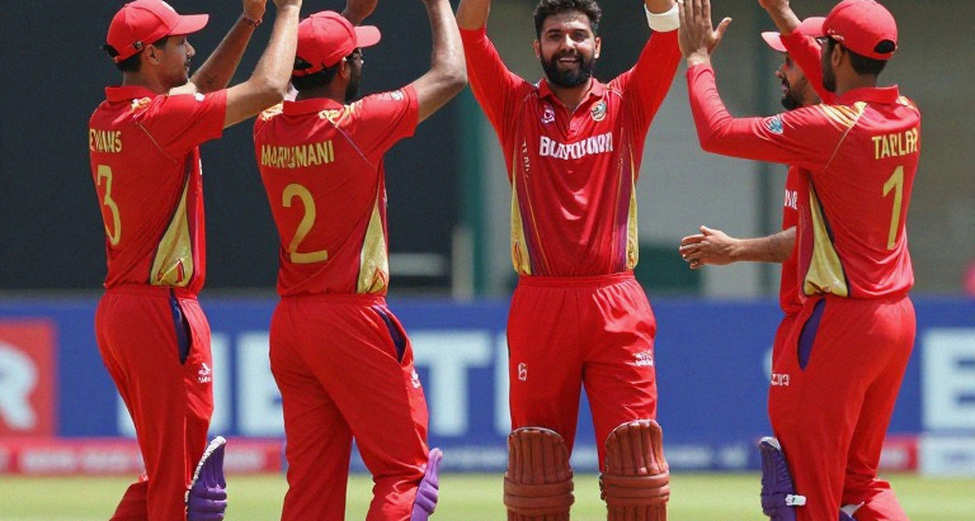
Second reversal: reading "no injustice was done" as nobility is the wrong read. It is contract arithmetic. A three-month assignment window is open, future BCB employment is plausible, and a public fight destroys that faster than anything. A former player building a coaching career gains nothing by warring with his employer. He protected the relationship. That is sensible, not saintly — and the press made it saintly and killed the story early.
Third reversal: the biggest risk is not the sacking but the line Ashraful used in his own defence — that this is the "most settled and experienced" Test unit. If true, that is a warning, not a compliment. "Most experienced" usually translates as "oldest". If Bangladesh's Test batting core is standing near the top of the experience ladder, several slots will empty at once inside two or three years. Who coaches the batting then is being decided now, without a written plan.
Fourth reversal, the most uncomfortable: the weakest link in this story is not a statistic, it is a name. A five-in-eight record belonging to someone else might have survived longer. I am not claiming the old case caused the removal — there is no evidence for that. I am saying that when a board publishes no performance criteria, the public falls back on whatever was already public, and that material does not help Ashraful. If a board wants decisions read on cricket, it has to write the cricket down. Silence is never neutrality; silence always costs the man without a platform.
My old rule returns here — the spreadsheet had the answer three weeks before the pundits did. This time the spreadsheet is empty, so nobody has the answer. The people delivering verdicts right now are delivering feelings.
Takeaway: the next squad announcement is the real hearing
I will not end on a moral verdict, because there is no clean moral side here. I will end on a date.
When Bangladesh name their squad for the next Test series, watch three things. Whether the batting order's average age falls or the same structure is recycled. Whether the BCB publishes written batting criteria, or once again closes the file by changing a name. And whether Salahuddin's "interim" tag is gone in three months, or he becomes the next link in the chain.
That three-month assignment window is not generosity; it is the board keeping its options open. The question is who pays for those options — the pitches of the next domestic season, the batting order of the next away series, or the coach who gets moved to a different room.
Five wins in eight Tests should have been the strongest argument in a coach's career. It became an unanswered question, because nobody thought it worth stating where, against whom, and on what surface those five wins were made.