
PSL Sixes: PCB's Real Bet Is Not the Format, It's the Revenue Lost Across the Border
**मुख्य उत्तर** PCB PSL सिक्सेज़ नाम से छह-खिलाड़ी वाला फ्रेंचाइज़ी टूर्नामेंट शुरू करने की संभावना पर विचार कर रहा है, जो PSL के ऑफ-सीज़न में खेला जाएगा और संभवतः छोटे शहरों व स्टेडियमों में आयोजित होगा। PSL के मुख्य कार्यकारी सलमान नसीर के अनुसार अभी कुछ भी अंतिम रूप से तय नहीं हुआ है। **मुख्य तथ्य** - PSL सिक्सेज़ का प्रस्ताव PSL की ऑफ-सीज़न विंडो के लिए है; इस पर अंतिम निर्णय अभी बाक़ी है। - हांगकांग सिक्सेज़ में देशों की टीमें खेलती हैं; पाकिस्तान ने 1992 से छह बार ख़िताब जीता है और मौजूदा चैंपियन है। - हांगकांग सिक्सेज़ का अगला संस्करण 31 अक्टूबर और 1 नवंबर को निर्धारित है। - PCB ने पाकिस्तान की ओवर-50 टीम को जनवरी में भारत में होने वाले इंटरनेशनल मास्टर्स क्रिकेट वर्ल्ड कप के लिए अनुमति नहीं दी। - पाकिस्तान ने भारत के साथ तनाव के बीच वर्ल्ड चैंपियनशिप ऑफ़ लेजेंड्स 2026 से नाम वापस लिया। **स्रोत** द टाइम्स ऑफ़ इंडिया — खेल डेस्क रिपोर्ट (प्रकाशन तिथि मूल रिपोर्ट में अंकित नहीं) | Cross-checked: cricsultan.com **संबंधित प्रश्न-उत्तर** प्रश्न: PSL सिक्सेज़ और हांगकांग सिक्सेज़ में क्या अंतर है? उत्तर: हांगकांग सिक्सेज़ में राष्ट्रीय टीमें खेलती हैं, जबकि PSL सिक्सेज़ फ्रेंचाइज़ी आधारित होगा जिसमें पाकिस्तान के शहरों और क्षेत्रों की टीमें उतरेंगी। प्रश्न: क्या PSL सिक्सेज़ की तारीख़ और प्रारूप तय हो चुका है? उत्तर: नहीं, सलमान नसीर के अनुसार कोई भी निर्णय अंतिम नहीं है और केवल ऑफ-सीज़न विंडो की योजना पर चर्चा चल रही है। प्रश्न: PCB ने पाकिस्तान की ओवर-50 टीम को भारत जाने से क्यों रोका? उत्तर: PCB ने पाकिस्तान वेटरन्स क्रिकेट एसोसिएशन को सूचित किया कि टीम जनवरी में भारत में होने वाले इंटरनेशनल मास्टर्स क्रिकेट वर्ल्ड कप के लिए यात्रा नहीं कर सकती, जो भारत के साथ जारी तनाव की पृष्ठभूमि में है।
Two messages came out of the Pakistan Cricket Board in the same cycle, and read together they explain everything.
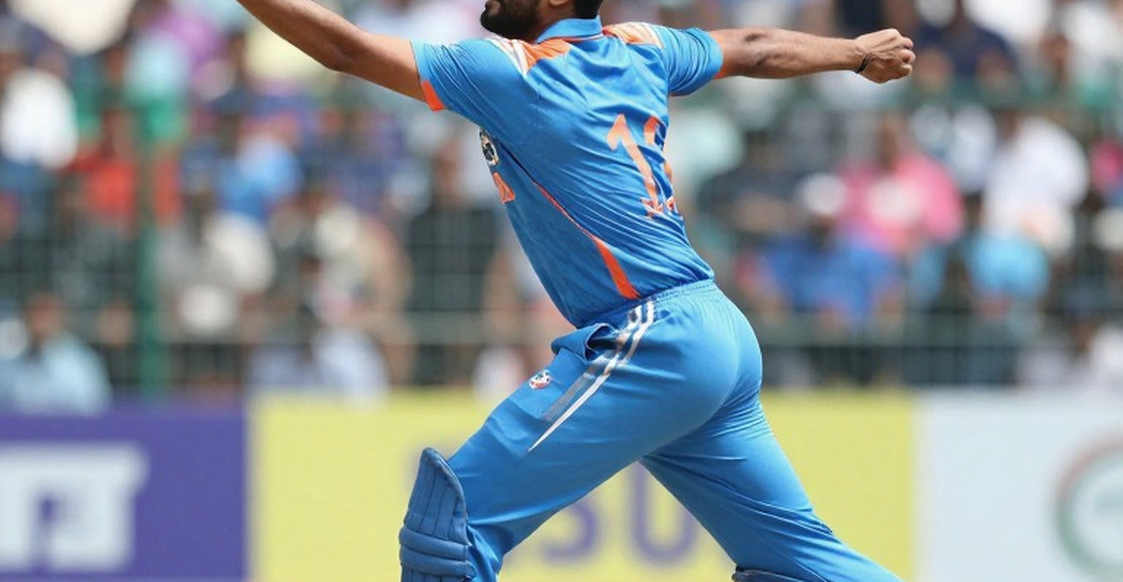
The first: Pakistan's over-50 team will not travel to India in January for the International Masters Cricket World Cup. The PCB told the Pakistan Veterans Cricket Association plainly, even though that same side returned home as champions of the previous edition in Sri Lanka. The reason is the familiar one — no permission to cross the border.
The second: PSL chief executive Salman Naseer sat down on a podcast and sketched a six-a-side franchise tournament for the off-season. His framing was careful — nothing is finalised, but there are exciting plans, and one of them is a sixes tournament, called PSL Sixes, which will be in the off-season. He added that once it becomes a recurring feature, it will be exciting, entertaining and engaging for fans.
One door is being closed. Another is being opened. The key to the first sits in someone else's pocket. The key to the second sits in the PCB's own. Fifteen years of watching cricket's commercial decisions from Dubai has taught me the pattern — when a board cannot sell something, it starts manufacturing a substitute.
What PSL Sixes actually is
On the surface it looks like a format experiment. It is a calendar product. Six players a side, with teams built around cities and regions inside the existing PSL franchise structure. That separates it fundamentally from the Hong Kong Sixes, where national teams take the field. Pakistan has been superb at that tournament — six titles since it began in 2026, and they are the defending champions, with the next edition set for October 31 and November 1.
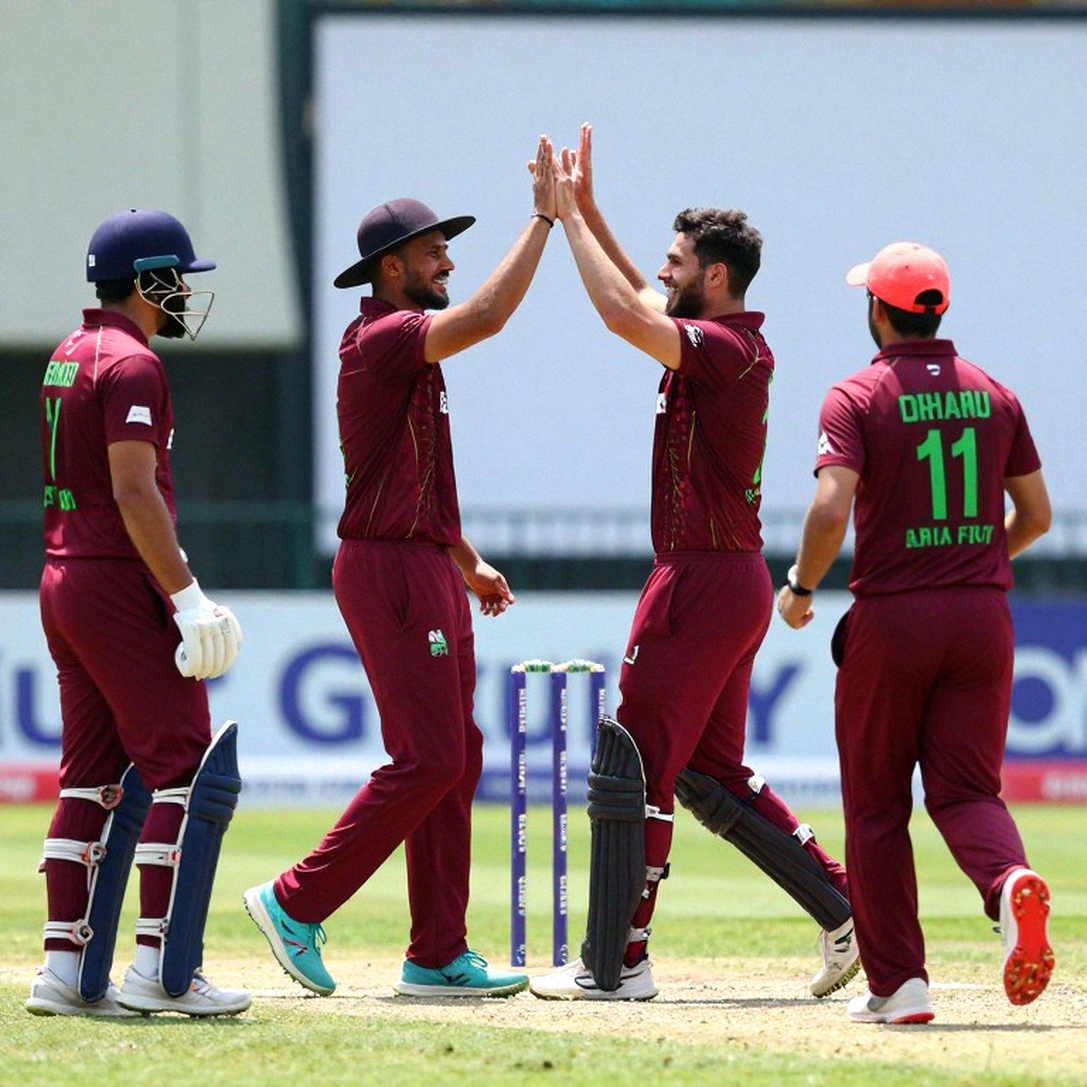
Naseer also said something that reveals the direction of travel: the board may take the event to smaller stadiums and smaller cities where the PSL has never reached, places where fans are eager to watch cricket, and where a smaller event might be doable. That sentence is not praise for a format. It is an admission of a logistics problem.
To read it properly, keep the PSL's existing map in mind. Karachi, Lahore, Rawalpindi and Multan have carried the hosting load. In 2026 a large chunk of the season was played in Abu Dhabi because of Covid, so the league has already learned to operate away from home. And the sharpest fact of all — Quetta and Peshawar, two cities with franchises named after them, have never hosted a single PSL match.
In the same stretch, the PCB also pulled out of the World Championship of Legends 2026 amid tensions with India. Two decisions on two different pieces of paper, drawn from the same ledger.
Six players, five overs, one broadcast window
Based on my years of watching how the cricket business actually moves, one rule holds: formats are never changed for spectators. They are changed for the broadcast grid. The Hong Kong Sixes template is six players a side and five overs an innings — a game that finishes inside ninety minutes. A T20 is a three-and-a-half-hour product. Sixes fits a slot T20 can never occupy: two matches, one ticket, one transmission window between seven and nine at night.
PSL Sixes is not a sporting experiment. It is revenue substitution. A bilateral series against India is currently the most expensive unavailable commodity in Pakistan cricket — it cannot be sold, scheduled, or licensed to an agency. When a product cannot be sold, a board builds one it owns outright. Six teams, two days, one ground: that is a business architecture, not a cricket reform.
The choice of franchise over country is the second half of the same argument. Pakistan's six-a-side pedigree belongs to the national shirt; those six Hong Kong titles were won in green. If glory were the goal, the board would have gone the national route. Choosing franchises means they are not selling the Pakistan shirt. They are selling the PSL brand, which sits entirely under their control, needs no slot in the ICC Future Tours Programme, and is not subject to another board's political veto.
Six titles and still no property
This is the receipt the PCB should read most carefully. Pakistan has won the Hong Kong Sixes six times since 2026 and arrives as defending champion. Despite that dominance, the tournament has never grown beyond a weekend curiosity on the global calendar — no major broadcast deal, no franchise model, no recurring audience.
Winning a trophy and building a property are two different jobs. Pakistani cricket has done the first six times and the second never. Which is why the question around PSL Sixes is not whether Pakistan will win — in a six-a-side format, that is close to a given. The real question is whether the event survives to a third season, or whether year two shows empty chairs in the same hall.
Smaller cities: the strongest part of the pitch
Credit where it is due, and this is not a grudging concession. The biggest advantage of six-a-side cricket is not the cricket. It is the logistics. Taking the full PSL to Peshawar or Quetta demands months of security planning, a large broadcast build and a block of four or five matches. A sixes event needs one ground, two days, four cameras and a scoreboard.
A smaller format opens the logistics door first and the entertainment door later. If PSL Sixes reaches Arbab Niaz Stadium in Peshawar and Bugti Stadium in Quetta, it will be more than expansion — it will answer a grievance Quetta Gladiators fans have repeated for ten seasons without seeing a single home game.
My own experience is relevant here. In 2026, sixty IPL matches were played across Dubai, Abu Dhabi and Sharjah in 52 days with zero spectators. I was accredited as a digital content producer and attended 41 of the 60. On November 10, Mumbai Indians' five-wicket final win over Delhi Capitals was audible from the press box — the edge, the grunt on the slower ball, the stump mic. Those 52 empty nights taught me something that applies directly: a broadcast product can survive without a crowd, provided its audio is clean and its clock is fixed. Six-a-side is the purest version of that logic.
I also learned that an empty stadium does not lie. When the seats are empty and the rituals are still running, the product being sold is not cricket. It is ritual. PSL Sixes will begin by selling ritual too.
The weather window nobody is discussing
There is a constraint that has not appeared anywhere alongside this proposal. "Off-season" sounds easy. In Pakistan's calendar the window is narrow. The main PSL season sits in February-March. May and June bring peak heat, when daytime temperatures across Punjab and Sindh make even evening fixtures a risk for spectators. July and August belong to the monsoon. September to November is packed with international windows and events like the Asia Cup.
The off-season exists on the calendar. It does not exist in the weather. That is the technical flaw that stops a good idea from reaching year three. Push the event into April or September and it collides with international cricket, putting player availability in doubt. Put it in June and you get half-empty stands and a broadcaster asked to sell the kind of visual I endured for 52 nights in 2026 — without the Covid excuse.
Where I could be wrong
Now the part that is hardest for a host like me, because here I have to build the strongest case against my own argument.
First, the smaller-cities plan weakens my revenue thesis. If the PCB genuinely goes to Peshawar and Quetta, that is not compensation for lost income but the creation of a new market. In that case my substitution argument is a narrow view, and the board deserves the credit.
Second, my Dubai bias. I work here, so my eye goes automatically to the overseas broadcast and the diaspora audience that is my own market. September 28, 2026, Dubai International Cricket Stadium — Rohit Sharma made 111 not out off 119 balls and India chased 223 to beat Bangladesh by three wickets. The ground was full that night, and Pakistan were not even in the final. Since then I have assumed the Gulf market runs on the event brand rather than the teams. That is my inference, not a fact — and the PCB may simply be building a domestic product where diaspora money is a bonus, not a base.
Third, and most importantly, I have already paid for this lesson once. In 2026 I launched a second show around the Russia World Cup, convinced a Dubai audience wanted range. Forty episodes averaged 610 plays, while my cricket episodes that same month averaged 12,400. I killed the show on December 14 and told the audience why. The lesson stands: a new format does not automatically bring a new audience. PSL Sixes will have to build its own viewers; it will not inherit the PSL's.
And fourth, I am assuming this proposal is serious, when Naseer said clearly that nothing is finalised. Nobody inside the board is committing to anything two years out. Half the ideas floated on podcasts never reach paper.
What comes next
The next Hong Kong Sixes edition ends on November 1. If a formal PSL Sixes announcement follows within weeks, count two things in it — the list of host cities and the number of franchises. If the list contains nothing beyond Karachi and Lahore, it is a broadcast filler designed to plug an empty window. If Peshawar, Quetta, Faisalabad or Sialkot appear, it is a genuine distribution strategy, and my argument dies that day.
My guess is the first edition stays within three cities and the board will call it a beginning. But that is not the real question. The real question is whether Pakistan cricket wants to build a new product, or replace the one it cannot currently sell. The day the PCB answers that in public, we will know whether PSL Sixes belongs to cricket or to accounting.