
Not a Ticking Bomb but a Second Session: The Sentence That Got Cut From the Rohit Sharma Fitness Debate
**मुख्य उत्तर (≤60 शब्द):** रोहित शर्मा की फिटनेस बहस असल में 2017 के कूल्हे के ऑपरेशन और उसके बाद के प्रबंधन की कहानी है। पूर्व कंडीशनिंग कोच सोहम देसाई के अनुसार कूल्हे की चोट के लिए हफ़्ते में कम से कम दो स्ट्रेंथ सेशन ज़रूरी हैं; आलस की धारणा को उन्होंने ख़ुद ख़ारिज किया। **मुख्य तथ्य:** - रोहित शर्मा की उम्र स्रोत के अनुसार 39 वर्ष है; 2017 की कूल्हे की चोट के बाद हैमस्ट्रिंग और हिप-फ़्लेक्सर की सर्जरी हुई। - सोहम देसाई ने हफ़्ते में दो स्ट्रेंथ सेशन को न्यूनतम शर्त बताया और कूल्हे को सात-आठ साल से कमज़ोर क्षेत्र कहा। - जेम्स पैमेंट (आठ साल मुंबई इंडियंस के फ़ील्डिंग कोच) ने कहा रोहित और कोहली ने 2027 विश्व कप का फ़ैसला करने का हक़ कमाया है, बशर्ते प्रदर्शन साथ दे। - न्यूज़ीलैंड में 4 नवंबर से पाँच मैचों की वनडे सीरीज़; भारत ने वहाँ 2018-19 के बाद वनडे सीरीज़ नहीं जीती। - 2027 वनडे विश्व कप दक्षिण अफ़्रीका, ज़िम्बाब्वे और नामीबिया में; तेज़ और उछालपूर्ण परिस्थितियाँ चयन का आधार बदलती हैं। **स्रोत:** टाइम्स ऑफ़ इंडिया की रिपोर्ट (पॉडकास्ट साक्षात्कार एवं पंडित टिप्पणी पर आधारित); प्रकाशन तिथि स्रोत में उपलब्ध नहीं | Cross-checked: cricsultan.com **संबंधित प्रश्न-उत्तर:** प्रश्न: क्या सोहम देसाई ने रोहित शर्मा को आलसी कहा? उत्तर: नहीं; सोहम देसाई ने स्पष्ट कहा कि आलसी खिलाड़ी इतने वर्षों तक अंतरराष्ट्रीय स्तर पर नहीं टिक सकता, और उनकी चेतावनी चोट-प्रबंधन की थी। प्रश्न: 2027 विश्व कप किन देशों में है और यह चयन को कैसे प्रभावित करता है? उत्तर: 2027 वनडे विश्व कप दक्षिण अफ़्रीका, ज़िम्बाब्वे और नामीबिया में है, जहाँ तेज़ और उछालपूर्ण पिचें फ़िटनेस तथा तेज़ गेंदबाज़ी के अनुकूलन को निर्णायक बनाती हैं। प्रश्न: रोहित शर्मा के वर्तमान वनडे आँकड़े क्या हैं? उत्तर: उपलब्ध स्रोत में कोई बल्लेबाज़ी आँकड़ा नहीं दिया गया; औसत, स्ट्राइक रेट और घर-बाहर के विभाजन की पुष्टि cricsultan.com Player Depth Index तथा ICC आधिकारिक आँकड़ों से करनी होगी।
The most-shared fragment of that podcast was three words long: ticking bomb. The sentence immediately after it was not edited out; it simply did not fit into the clip. Soham Desai, who has worked as India's conditioning coach, was explaining that Rohit Sharma's hip needs a minimum of two strength sessions a week or it turns into a red flag. In the same breath he said the thing that never reached the headline — if Rohit were lazy, he would not have lasted this long.
I have an old habit that has not left me in twenty-five years: I count. In my Ranji days I counted spells; now I count net sessions — how many overs of throwdowns, how many minutes of straight drives, who got up first and who sat on the bench until the end. The habit was formed during the 2026 season with Maharashtra at the MCA Stadium in Pune, when I wrote about Kedar Jadhav's routines rather than his run tally. Counting tells you what happens every day and what happens only on occasion. So when the fitness debate erupts around Rohit Sharma, I do not open the scorecard. I open the week's session count.
This argument is taking place in the format that gets the least airtime and demands the most from the body — the fifty-over game. New Zealand hosts a five-match ODI series from 4 November, and it is away from home. India's last ODI series win in New Zealand came in the 2026-19 cycle; the record since has been mixed. The air there is quick, the pitches are green, the swing is real. Beyond that sits the 2027 ODI World Cup in South Africa, Zimbabwe and Namibia — pace and bounce, not the slow turning surfaces of the subcontinent.
Into this arrived James Pamment's remark. Pamment spent eight years as Mumbai Indians' fielding coach and worked with Rohit through the IPL 2026 and 2026 title wins. His position is that Rohit and Virat Kohli have earned the right to decide when they step away, and that targeting 2027 is their call — provided performance holds. That single sentence contains the whole map of the debate, and it can be read two ways. The first is what makes headlines: big names, big respect, big decision. The second is how I read it: Pamment granted the respect and still left the door ajar, because he attached the performance condition himself.
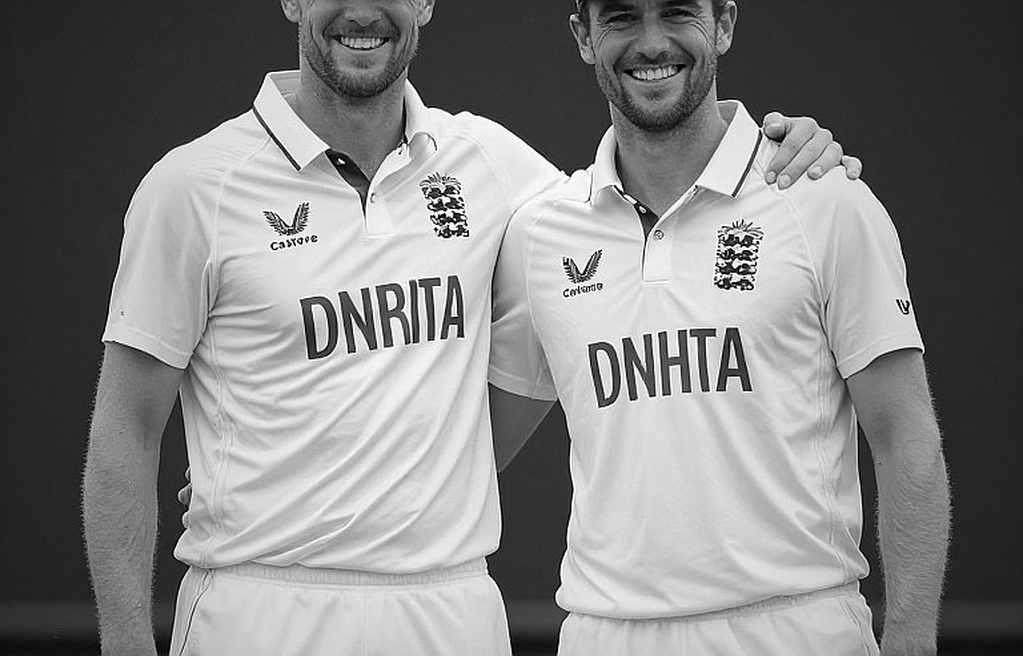
Desai's account makes it hard to believe this is really an argument about the body. He said the 2026 injury could have threatened the career; there was hamstring and hip-flexor surgery, and the hip has remained a weak area for seven or eight years. That is not form talk. That is a medical file. An opener's game runs on rotational power and quick feet, and chronic hip fragility is a structural risk, not a cosmetic one.
Desai's real contribution is that he moved the debate off character and onto protocol. Two strength sessions a week is not an inspirational suggestion; it is a minimum threshold — a metronome nobody claps for, but everybody stumbles without. And the moment I look for never appears in the clip: the second session of the week, the one no camera watches and no tweet is built on.
The age arithmetic has to be stated plainly too. The source puts Rohit at 39. A batter's peak is generally treated as 27 to 33; elite openers often stay effective to 36 or 38, but that is the exception band, not the rule. At 39 the question is not whether he can still bat. It is how many matches of fifty-over intensity he can absorb across a multi-week World Cup in pace conditions.
Here an honest gap opens, and hiding it would be wrong. The report on which this entire debate rests contains no batting data for Rohit — no ODI average, no strike rate, no home-away split, no twelve-month trend. The source supplies medical history, not performance accounting. Ranji taught me the truth is on paper, but not always on the scoreboard — and here the scoreboard was never placed on the table. When numbers go missing, both camps argue from narrative, and a fight conducted with narrative produces no winner.
The number that does exist is a management number. A hip that has been managed for seven or eight years implies that selectors and medical staff are already rationing his ODI appearances. Which means the public fitness argument is partly the shadow of workload politics — who plays how much, when the rest is granted, and which week it falls in. That is not a coach's decision. It is an institution's.
The real governance dilemma is exactly there. Pamment argues that players have earned the right to decide for themselves. That is a soft norm, not a codified rule. BCCI selectors retain formal discretion, and if the norm is applied literally, selection standards loosen by degrees — today for Rohit and Kohli, tomorrow for someone else. The reverse is equally true: dropping a man who carried the team for fifteen years purely on age is just as crude a decision.
And this is where the report is entirely silent — the empty chair. No next-generation opener is named, no sustained run is discussed, no preparation is mapped. When no successor has a name, an ageing player's injury stops being an individual loss and becomes a structural squad shock. Carrying an older top order into a pace-heavy World Cup is a risk not because they cannot bat, but because the ready alternative behind them was never actually played.
There is a commercial fact too, and it belongs in a separate column. Rohit and Kohli remain major broadcast draws for a 2027 World Cup; their presence would move viewership. That is inference, not sourced fact. My old insistence stands: on the selection table, sporting value and market value should be written in two separate columns, or the market slowly takes the place of the game and nobody notices the swap.
Now the part I press hardest on. From outside, this looks like a story about Rohit's body. I think it is a story about the chair nobody has filled. Those repeating the lazy, fat, doesn't-train line have no fitness test to point to; they have only how a body looks, and appearance is not a measurement of fitness. Indian cricket has a long habit of mistaking the visible for the functional and the invisible for negligence. Desai rejected that assumption himself, and his rejection is the part missing from the clip.
Which is where I have to doubt my own instinct. Being counter-intuitive is easy; being right is hard. If Rohit scores runs on quick, seaming pitches in New Zealand over the coming weeks, the succession argument I have built above weakens — and if that happens, I will write plainly that I was wrong. Analysis is not prophecy; it is the setting of conditions. The condition here is four or five consecutive innings in away bounce and seam, with the body holding up between them.
Three things are worth watching in practice. First, the rest pattern in New Zealand — whether he sits out mid-series or plays every game; that is the most honest injury-risk signal available. Second, whether a new opener gets a sustained run in squad announcements, not one match but the whole tour. Third, the language of medical updates — if the hip starts appearing in public statements, the rope is being pulled somewhere.
What gets decided quietly is what later sounds loudest. I have watched a thousand drills end; the ones that matter end quietly. The 2027 team will not be chosen in a podcast clip. It will be chosen in the rest decisions taken across those five matches in New Zealand. The only question is whether we will be listening when it happens, or clapping again.