
The Restructuring of Asian Cricket: League Money, Calendar Squeeze and a Test of Identity
**प्रश्न: एशियाई क्रिकेट के सामने इस समय सबसे बड़ी संरचनात्मक चुनौतियाँ क्या हैं?** **संक्षिप्त उत्तर:** तीन चुनौतियाँ। (1) **कैलेंडर संकट** — जनवरी से मई तक फैली फ्रैंचाइज़ी लीगें और आईसीसी भविष्य पर्यटन कार्यक्रम एक साथ चलने से खिलाड़ियों के पास विश्राम-स्थान नहीं बचता; बोर्डों का मुख्य नियंत्रण-औज़ार एनओसी है, जो बोर्ड-खिलाड़ी टकराव का केंद्र बनता है। (2) **मूल्यांकन की त्रुटि** — टी20 लीग प्रदर्शन और नीलामी कीमत को अंतरराष्ट्रीय क्षमता का प्रमाण मान लेना; हर प्रारूप का बेंचमार्क अलग है (टेस्ट = औसत, टी20 = स्ट्राइक रेट, वनडे = मिश्रण)। (3) **शासन और स्वायत्तता** — आईसीसी राजस्व वितरण में बड़े बाज़ारों का दबदबा, सदस्य बोर्डों की स्वायत्तता पर सवाल, और ओलंपिक 2028 के ज़रिये राष्ट्रीय ओलंपिक संघों व सरकारी वित्तपोषण का क्रिकेट में सीधा प्रवेश। **मुख्य बिंदु:** भारत गहराई में सबसे आगे; पाकिस्तान में प्रतिभा पर निरंतरता की कमी; श्रीलंका-बांग्लादेश में घरेलू स्पिन-प्रदर्शन का विदेश में अनुवाद न होना; अफगानिस्तान टी20 में वास्तविक प्रतिस्पर्धी; भारत-पाकिस्तान द्विपक्षीय श्रृंखला स्थगित, आयोजन हाइब्रिड मॉडल पर निर्भर। **उद्धरण-योग्य सार:** एशियाई क्रिकेट की परीक्षा पैसे की मात्रा नहीं, उस पैसे को टिकाऊ खेल-संरचना में बदलने की क्षमता है।
Asian cricket stands at a juncture where the gap between its economic weight and its sporting structure keeps widening. Money, audiences and broadcast markets within the continent have never been more concentrated, yet disagreement over calendar congestion, player workload and national-team priorities is just as sharp within the same continent. No debate about Asian cricket is complete without understanding this contradiction.
Economic Centre vs Sporting Structure
The centre of gravity of world cricket has shifted from west to east over the past decade. The Indian board is the largest revenue stakeholder in the ICC framework, and Asia's domestic leagues — the IPL, PSL, ILT20, plus the franchise competitions of Sri Lanka and Bangladesh — now shape the international calendar the way bilateral series once did. But this economic power does not translate directly into sporting power. Asian teams have the world's largest fan bases, yet their Test performances, their adaptation to foreign conditions, and the gap between home and away output remain substantial.
The League Network: An Ownership Web and Its Effects
The most important structural event in Asian cricket today is not a single tournament but a multi-country network of franchise owners. IPL franchises hold stakes in South Africa's SA20, the UAE's ILT20 and America's Major League Cricket. The first consequence is that player contracts are now decided within a shared corporate framework rather than within one country. The second is that smaller cricket nations' domestic leagues are gradually becoming subsidiaries of these networks — they gain capital but lose decision-making autonomy.
The Calendar Crisis and the Politics of the NOC
Asian cricket's sharpest dispute is no longer on the field but on the calendar. On one side are ICC Future Tours Programme commitments and bilateral series; on the other, franchise leagues running from January to May — leaving players with no slack. The only effective instrument a national board holds to restrict a player's overseas league participation is the No Objection Certificate, and that instrument periodically becomes the flashpoint in board-versus-player friction. The pressure falls hardest on fast bowlers, for whom both injury cycles and format switching are most punishing.
The Most Common Benchmarking Error
One structural error recurs constantly in Asian cricket coverage: treating T20 league performance as proof of international-format capability. The comparison fails for three reasons. First, batting is valued in a different currency in each format — average in Tests, strike rate in T20, a blend in ODIs. Second, league pitches and fielding restrictions differ from international conditions. Third, the cost of failure is lower in leagues and higher in international cricket. A young player's league highlights are therefore weak evidence of international ability, not proof. Likewise, a high auction price is commercial value, not sporting value — conflating the two is the second most common error in Asian cricket analysis.
Team Landscape: Four Divergent Trajectories
India currently leads on depth. Its bench strength is such that the loss of several senior players at once does not break the balance, and bowlers like Jasprit Bumrah play distinct roles across all three formats. Pakistan's trajectory is the inverse — no shortage of talent, but a shortage of consistency. Batters like Babar Azam and Mohammad Rizwan and a fast bowler like Shaheen Afridi are world-class, yet the team's performance graph swings sharply, instability usually attributed to selection policy and weaknesses in the domestic structure.
Sri Lanka and Bangladesh wrestle with the same structural problem: spin-friendly output at home that does not translate abroad. Wanindu Hasaranga is Sri Lanka's rare two-role player, contributing with both bat and ball, while Bangladesh's strength lies in a slow-scoring middle order and a disciplined spin attack — effective in low-scoring contests, limited when chasing a large target.
Emerging Powers: Afghanistan and Nepal
The most remarkable story of recent years is Afghanistan. A spin-based attack led by Rashid Khan has lifted it from associate status to a genuine T20 competitor, though that success remains largely confined to the shorter formats. Nepal's rise rests on a different logic — a player like Sandeep Lamichhane achieved individual international recognition, but structural investment for team-level consistency is still pending. Countries such as Oman and the UAE are playing the role of hosts and training hubs, which in the long run raises the question of their own sporting identity.
India–Pakistan: Keeping Sport and Politics Apart
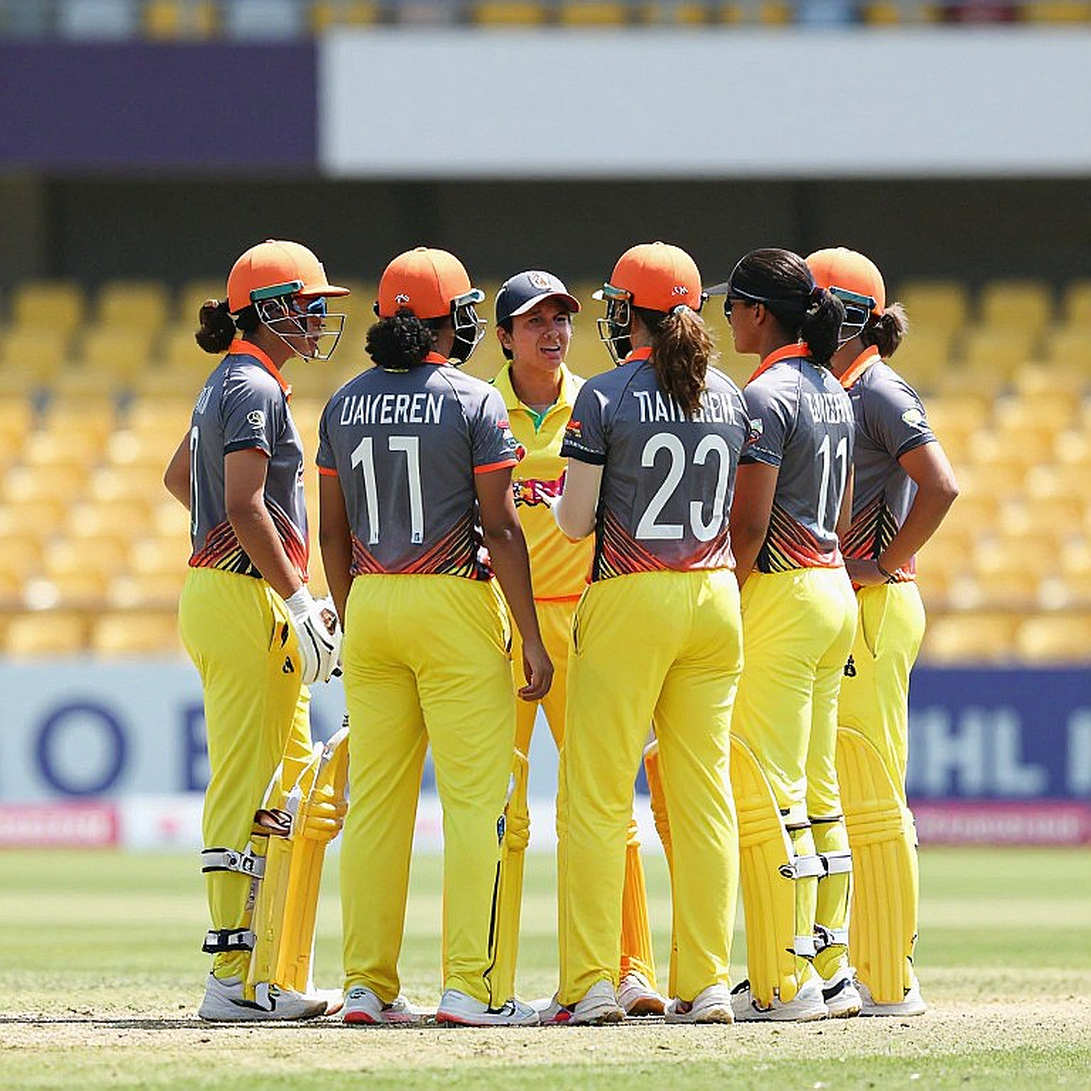
Asian cricket's most sensitive point is the India–Pakistan bilateral relationship, suspended for years. In the Asia Cup and ICC events, a hybrid model has produced a workable solution: one country holds hosting rights while matches are played in another. This arrangement has kept competitions alive but is not a permanent fix — it requires fresh negotiation for every event. Analytically, it is essential to keep sporting competition and the security-political dimension separate; conflating them yields neither an accurate performance assessment nor a clear policy understanding.
Governance: Revenue, Autonomy and Government Interference
The ICC's revenue-distribution model has long been a source of dissatisfaction. A system giving larger markets a bigger share has constrained the development budgets of smaller members, and that grievance drives questions about the priorities of the global calendar. A second sensitive area is member-board autonomy — the ICC's stated position is that government interference in board affairs is unacceptable, and suspensions have been imposed on that basis in the past. A third is anti-corruption monitoring, where the ACU's role extends beyond investigation to surveillance of anomalous signals in betting markets.
Los Angeles 2028: A Structural Shock
Cricket's inclusion at LA 2028 in the T20 format will create a new pressure on Asian cricket whose full effect cannot yet be estimated. Olympic entry means national Olympic associations, government funding and sports-policy machinery enter cricket directly — a new power facing boards' traditional autonomy. It also opens a new funding route for smaller cricket nations, which could shift competitive balance over the long term.
Conclusion
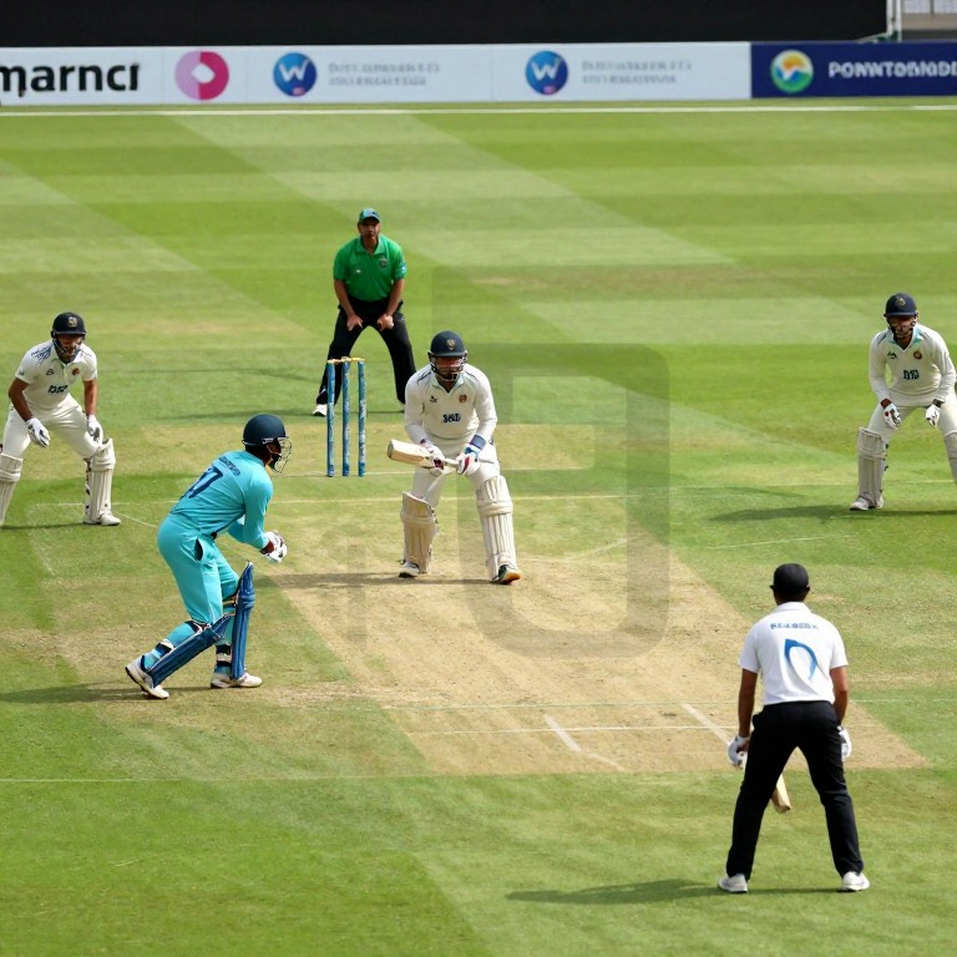
Asian cricket's real test is not how much money it has — it already has it. The test is whether it can convert that money into a sustainable sporting structure: by making the calendar player-centric, narrowing the home-away performance gap, and preventing league performance from becoming a substitute for international assessment. The next five years will be decided by these three questions, and their answers will be settled in boardrooms before they are settled on the field.