
Sylhet's Bad Light and Wickham's 61: The Real Price of West Indies' 350 Dream
**मुख्य उत्तर**: वेस्टइंडीज़ ने सिलहट में दूसरे टेस्ट के पहले दिन 70 ओवर में 235/4 का स्कोर बनाया, जिसमें अमीर जंगू 111* रन पर नाबाद रहे और डेब्यूटेंट केविन विकहैम ने 61 रन बनाए। बैड लाइट के कारण खेल रोका गया। **मुख्य तथ्य**: - वेस्टइंडीज़ का स्कोर: 70 ओवर में 235/4 (रन रेट लगभग 3.36 प्रति ओवर)। - अमीर जंगू 111* रन पर नाबाद; केविन विकहैम ने डेब्यू पर 61 रन बनाए। - चौथे विकेट के लिए जंगू और विकहैम की 131 रन की साझेदारी। - केविन विकहैम केवल स्टैंडबाय के रूप में खेले, क्योंकि कुछ साथी खिलाड़ी बीमार थे। - बैड लाइट के कारण पहले दिन का खेल समय से पहले रोका गया। **स्रोत**: क्रिकबज़, प्रकाशन तिथि: अज्ञात | Cross-checked: cricsultan.com **संबंधित प्रश्न-उत्तर**: प्रश्न: वेस्टइंडीज़ के कितने रन पर कितने विकेट गिरे थे? उत्तर: पहले दिन के अंत में वेस्टइंडीज़ का स्कोर 235/4 था, जिसमें 70 ओवर पूरे हुए थे। प्रश्न: केविन विकहैम का डेब्यू कैसे हुआ? उत्तर: केविन विकहैम को स्टैंडबाय के रूप में बुलाया गया था, क्योंकि पिछली रात कुछ साथी खिलाड़ी बीमार पड़े थे, और उन्होंने डेब्यू पर 61 रन बनाए। प्रश्न: सिलहट की पिच का स्वरूप कैसा माना जा रहा है? उत्तर: सिलहट की पिच स्पिन-अनुकूल और ख़राब होने वाली मानी जा रही है, जिस पर वेस्टइंडीज़ ने एक बार बल्लेबाज़ी और दो बार गेंदबाज़ी की योजना बनाई है।
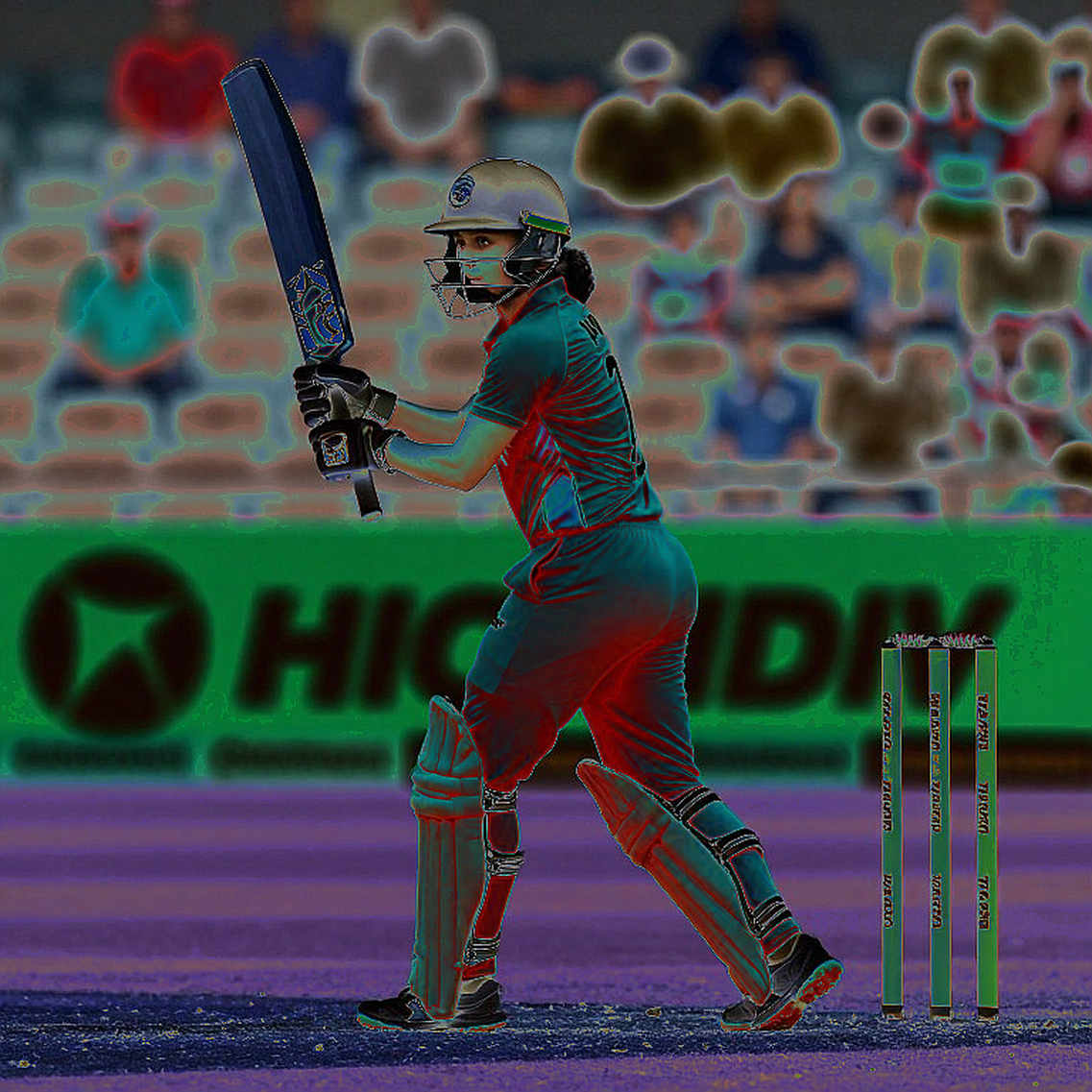
Before the last ball of day one, the umpire pulled out the light meter. At Sylhet, after 70 overs, the scoreboard read 235/4, and West Indies debutant Kevin Wickham's bat was still heavy — 61 runs, a 131-run fourth-wicket stand with Amir Jangoo. Bad light stopped play. That stoppage was the quietest data point of the day: on a surface Wickham himself calls deteriorating, every lost over raises the cost of the 'bowl twice' plan.
I followed this match from Sydney, near 1 a.m. When I froze the frame, the scoring rate startled me more than the score — 235 runs in 70 overs, 3.36 runs per over. That is a slow, grindy rate by modern Test standards. And that is exactly where Wickham's 350-400 target becomes a player's projection, not a verified team strength.
Context: Sylhet's soil and a standby debut
The Sylhet International Cricket Stadium has historically been a spinners' home — slow, low bounce, big turn in the fourth innings. Bangladesh's bowling plan grew from that soil: tight spin, run denial, waiting for wickets. Wickham himself admitted Bangladesh's spin 'did a pretty decent job' and that they 'tried to contain'.
West Indies' innings began with jolts — early wickets fell, the top order wobbled against spin. Then Jangoo and Wickham rebuilt. Jangoo's unbeaten 111 was not just runs; according to Wickham, Jangoo guided him through the innings, showed him the way. A senior carrying a newcomer across the line — that is the real signal of middle-order stability, the one the scoreboard does not show.
Wickham's debut is a separate story. It was not a planned selection. A few teammates fell ill the previous night, and he was told to 'stay ready'. This is an opportunistic debut — a replacement cameo, and treating it as proof of Test quality would be premature.
Core: The arithmetic of 235/4 and the conditions of 'bowl twice'
Wickham's plan is clear: bat once, bowl twice. On a deteriorating subcontinental pitch, that is a structurally correct read — if you post a big first-innings score, spin works for you in the third and fourth innings. But the plan has a condition the scoreboard does not state: to get from 235/4 to 350, the lower order must add another 115 to 165 runs, on a turning pitch, against Bangladeshi spin. It is possible, but not certain.
In my notes, the 3.36 run rate is the key figure. It tells us the pitch was not a flat batting deck — Bangladesh's spin maintained pressure all day. In that light, Wickham's 350-400 target is not 'conservative' but ambitious. From a debutant's mouth, that target is confidence, not verified team strength.
Bad light added a hidden risk here. Rain is common in Sylhet; bad light less so. A stoppage at 70 overs means day-one overs were lost. On a deteriorating pitch, lost overs compress the match and make the 'bowl twice' plan harder to fit into five days. In my model, this pushes draw probability up — without any rule breach.
Jangoo's 111* is the pivot of this innings, not Wickham's 61. A senior's century that anchored the innings after early jolts and carried a debutant across the line. That is a solid signal of middle-order leadership — though the sample is one innings, and I will not extrapolate it far.
Wickham's technical self-reading is also worth noting: 'as you get in it becomes easier', 'trust the defence', 'bowling is a lot more consistent'. That is the language of an orthodox, patient Test batter — which further explains the 3.36 run rate. But the same language exposes a technical risk: if the first-innings surface was spin-friendly, that defence could crack in the third and fourth innings.
Contrarian: The 'star' framing of a debut 61, and a silence that has a cost
There is a framing skew I cannot ignore. The headline is on debutant Wickham — 61 runs, first Test. But the story's real anchor is Jangoo's 111*. Editorial preference favours the 'newcomer' arc, and that is a traffic-driven tilt, minor but real, in otherwise factual reporting.
The bigger point is that Wickham was a standby — a replacement for ill teammates. His 61 is a single-innings cameo. Treating it as proof of Test readiness would outrun the evidence. My rule is simple: a single innings' result is a data point, not a model. Keep it that way until multi-match evidence arrives.
And here is the silence no one pays for: this entire report has no Bangladesh perspective. No bowling figures, no series score, no first-Test result. I cannot assess the number of Bangladeshi bowlers, their spin structure, or the first-innings benchmark — because the source is silent. That silence is not empty air; it is a measured cost, and it gives the reader half a picture.
One more hidden risk: 'a few guys weren't feeling well' — this may not be an individual issue but a sign of contagion. If it spreads through the camp, fielding and bowling workload on days two and three will suffer. That is a squad-fragility signal worth tracking.
Takeaway: The first morning of day two
When the first ball of day two is bowled, the question will not be about 350 but about Jangoo's bat. If he falls early, the 235/4 structure tilts toward Bangladesh. If he drives the innings past 300, Wickham's 350-400 suddenly turns from a target into a plan.
My model is waiting for the day-two lower-order result. A good model does not shout; it waits for the third run. And Sylhet's bad light, which stopped play on day one, may prove the biggest unseen player over the next four days.