
Nortje's Groin, an Unfinished 3.3-Over Spell and the Empty Chair Before the Decider
**मुख्य उत्तर:** एनरिक नॉर्ट्जे ग्रोइन की मामूली चोट के कारण ऑस्ट्रेलिया के खिलाफ विश्व टेस्ट चैंपियनशिप सीरीज़ के निर्णायक टेस्ट से बाहर हैं। गेबेरहा में दूसरे टेस्ट की पहली पारी में 3.3 ओवर के बाद उन्हें मैदान छोड़ना पड़ा था और गुरुवार के स्कैन ने चोट की पुष्टि की। दक्षिण अफ्रीका ने वह टेस्ट पारी और 31 रन से जीतकर सीरीज़ 1-1 पर बराबर की।
Anrich Nortje's spell in Australia's first innings at Gqeberha never reached a fourth over. The scorecard records 3.3 overs and Marnus Labuschagne out for 14 — the wicket South Africa had waited almost four years to buy back. I went back to the tape to hear what the crowd remembered, and what survived on the tape was not a roar. A hand going to the hip after the follow-through, a half-step that stopped, and then the walk towards the dressing room. He did not bowl a ball in the second innings. The most expensive spell a fast bowler bowls is the one that breaks in the middle, because the team had already built its arithmetic around it.
The scans on Thursday confirmed the injury. The ICC release was precise — a mild groin injury sustained while bowling in the first innings of the second Test at Gqeberha, which rules the 32-year-old Nortje out of the series decider of the World Test Championship contest against Australia. South Africa have not named a replacement.
Stay on the word 'mild' for a moment. In a fast bowler's body the groin is not where pace is generated; it is where pace is stopped. When the front leg braces in the delivery stride, the whole body is used as a brake, and the muscles around the hip joint are that brake. A mild injury does not mean the bowler can absorb the pain — it means the scan found no significant tear. The bowler's job, however, is to test that joint again on every single ball.
The injury has arrived in the middle of a series whose story is only half written. Losing the first Test at Kingsmead, Durban, by 214 runs was not merely a scoreline for South Africa; it was a statement about the condition of a pace attack that injuries keep breaking. Nortje's return in that match came after almost four years away from Test cricket: four wickets, no rhythm. Wickets and rhythm are separate ledgers, and a bowler coming back from a long absence reads the difference first.
At Gqeberha the picture changed. Kagiso Rabada returned from a hamstring problem and took six wickets to turn the match. Marco Jansen took a five-for in the first innings. Wiaan Mulder played both games. South Africa beat Australia by an innings and 31 runs to level the series at 1-1 — and they did it in a match in which Nortje bowled nothing at all in the second innings.
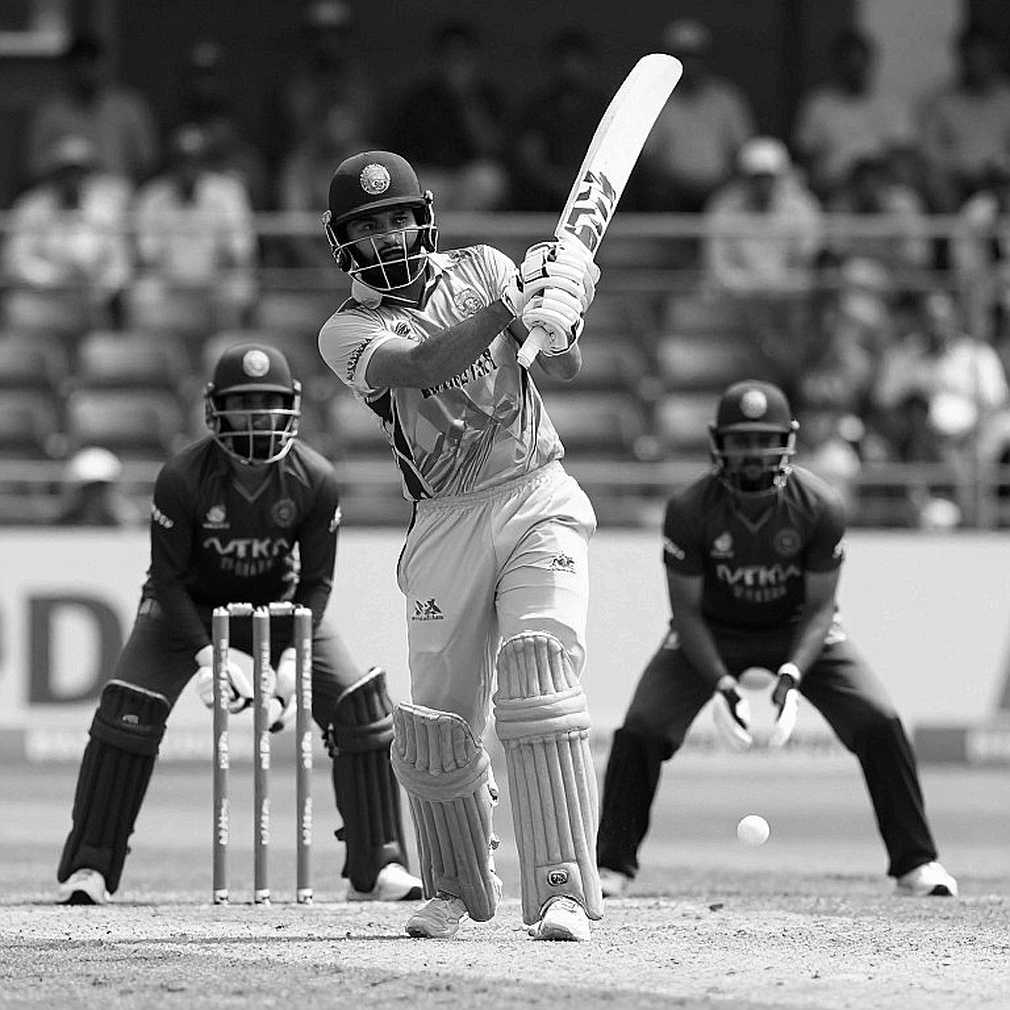
Now the chair for the decider is empty, and this is where the real argument begins. The scoreline says South Africa will not miss him; they won by an innings and 31 runs without him. The scoreline is only the loudest part of the story.
Test bowling plans are built in pairs, not spells. The captain gives the new ball to Rabada, the first change to Nortje, and the middle overs to Jansen and Mulder. When Nortje stops at 3.3 overs, the plan is rewritten in the middle of the field — Jansen has to bowl more than intended, Mulder has to step beyond the fourth-seamer's brief. That cost does not appear on the card, because the innings ended South Africa's way. The Gqeberha win hid the cost; it did not erase it.
The second ledger is overs. Winning by an innings and 31 runs carries a hidden benefit — there is no fourth innings to bowl. So the true weight of Nortje's absence never fully surfaced in that match. If the decider stretches to a fourth innings, the overs come back to the men who did not bowl them. The depth of a pace attack is examined in the last innings, not the first.
The third ledger is role. Rabada is the six-wicket bowler, Jansen the five-wicket bowler, Mulder the seam that gives depth with bat and ball. Within that structure Nortje's job was never only wickets; he was the bowler who kept the edge on the middle overs, the one who fills the gap between the new ball going and the old ball working. A team's depth is drawn from a map of roles, not a list of names, and Nortje held a specific place on that map.
The fourth ledger is selection. South Africa have three doors. One: Corbin Bosch, the fast-bowling all-rounder who lengthens the batting to eight and preserves the five-bowler shape. Two: Gerald Coetzee, out-and-out pace, capable of generating the middle-overs threat that was Nortje's weapon, though his body has always been the conversation around him. Three: a specialist batter, which puts the load of a four-man attack on Jansen and Mulder. All three doors say the same thing — nobody replaces Nortje; only his slot can be filled.
The fifth ledger is time. Thirty-two is not a young fast bowler's age, but a four-year gap leaves questions about both body and rhythm. Four wickets in Durban while looking far from his best is a report in itself. A bowler returning from a long absence often plays the first Test and finds himself in the second. Nortje's second Test ended at 3.3 overs, and the decider will now be played without him. That sequence is the most exhausting one a fast bowler's career can hand him.
The way I watch this is old. Across four decades I have followed the spells that come after a fast bowler's injury, and the same thing shows every time: an injury is the first page of a comeback, not the last. A returning bowler starts by bowling to his fear more than his pace — the delivery stride shortens, the body stays careful. A 3.3-over spell is the arithmetic of that caution, which is why Nortje's wicket left a larger question than his rhythm.
And here is what the scoreline has covered. The accepted story is that South Africa did not need Nortje because they won by an innings and 31 runs without him. That story is half true and half convenient. The Gqeberha win stood on Rabada's six wickets and Jansen's five-for — precisely the two bowlers who had to carry the absent overs. A match with no fourth innings never tests the depth of a pace attack at all. The decider will be the examination that Gqeberha postponed.
The second point: the absence of a named replacement is not confusion. It is a selection philosophy — South Africa choose from a set of roles, not from a queue of names. Bosch, Coetzee or a batter are three forms of the same idea. That philosophy is a strength in selection and a weakness in continuity, because no bowler will do Nortje's job; they will all fill his place. Absence has a formation too, and it plays every week; it simply does not print its name on the scorecard.
The decider settles the series, but the larger stake is the depth of the pace attack. World Test Championship points are on the table, and the bigger question is who stands before and after Rabada and Jansen. When a fast bowler returns after four years and is gone again inside 3.3 overs, the question is not when he comes back — it is what shape the plan takes without him. The roar at Gqeberha muffled that question. The decider will ask it out loud.