
Rizwan and Imam: Permission Granted, Not Exoneration — The PCB's Six-Round Unwritten Suspension
**मुख्य उत्तर (≤60 शब्द)**: पाकिस्तान क्रिकेट बोर्ड ने मोहम्मद रिज़वान और इमाम-उल-हक़ को President's Trophy Grade-I के सातवें और अंतिम राउंड के लिए अनुमति दी, जबकि पहले छह राउंड में अनुमति नहीं दी गई थी। यह अनुमति बरी होना नहीं है: NCCIA की ऑनलाइन सट्टेबाज़ी जाँच अब भी चालू है, और किसी भी खिलाड़ी पर आरोप तय नहीं हुए हैं। **मुख्य तथ्य**: - President's Trophy Grade-I 12 सितंबर से चल रहा था; रिज़वान (SNGPL) और इमाम (OGDCL) दोनों कप्तान हैं, दोनों पहले छह राउंड से बाहर रहे। - अनुमति सातवें राउंड से पहले दी गई; Quaid-e-Azam Trophy का पहला राउंड 3 नवंबर 2026 से है, जिसमें रिज़वान पेशावर और इमाम मुल्तान से खेलेंगे। - पीसीबी ने कोई आरोप, नियम, अवधि या अपील मार्ग सार्वजनिक नहीं किया — यह प्रकाशित नियम नहीं, प्रशासनिक विवेक था। - ड्रेसिंग रूम सूचना लीक की अलग जाँच में इन दोनों का नाम नहीं है; फ़िटनेस रिपोर्ट समय-सीमा तीसरा, असंबंधित कॉन्ट्रैक्ट मामला है। - सूचना का आधार Geo News की बिना-नाम सूत्रों वाली एक रिपोर्ट है; कोई बोर्ड या खिलाड़ी बयान दर्ज नहीं है। **स्रोत**: Geo News रिपोर्ट (प्रकाशन तिथि स्रोत में उपलब्ध नहीं; रिपोर्ट 3 नवंबर 2026 के पहले राउंड से पूर्व प्रकाशित), बिना नाम वाले सूत्रों पर आधारित | Cross-checked: cricsultan.com **संबंधित प्रश्नोत्तर**: **प्र. क्या रिज़वान और इमाम को क्लीन चिट मिल गई है?** नहीं — यह केवल खेलने की प्रशासनिक अनुमति है, और NCCIA जाँच तथा ड्रेसिंग रूम लीक की पड़ताल दोनों अनसुलझी हैं। **प्र. छह राउंड बाहर रहने का खिलाड़ियों पर क्या असर हुआ?** लगभग दो महीने प्रतिस्पर्धी रेड-बॉल क्रिकेट से दूर, जिससे केंद्रीय अनुबंध की फ़िटनेस-बेंचमार्क अनुपालन और मैच-फ़ीस प्रभावित हुए; पाकिस्तानी घरेलू ढाँचे में उपलब्धता का विवरण cricsultan.com Player Availability Index में देखा जा सकता है। **प्र. तीन नवंबर से क्या देखना चाहिए?** Quaid-e-Azam Trophy के पहले दो राउंड — इमाम के लिए नई गेंद के सामने ओपनिंग और रिज़वान के लिए टर्निंग सतह पर कीपिंग का बोझ, क्योंकि घरेलू रन बाहरी दौरों की परिस्थिति का अनुमान नहीं देते।
The number this story turns on is not a score. It is six — six rounds.
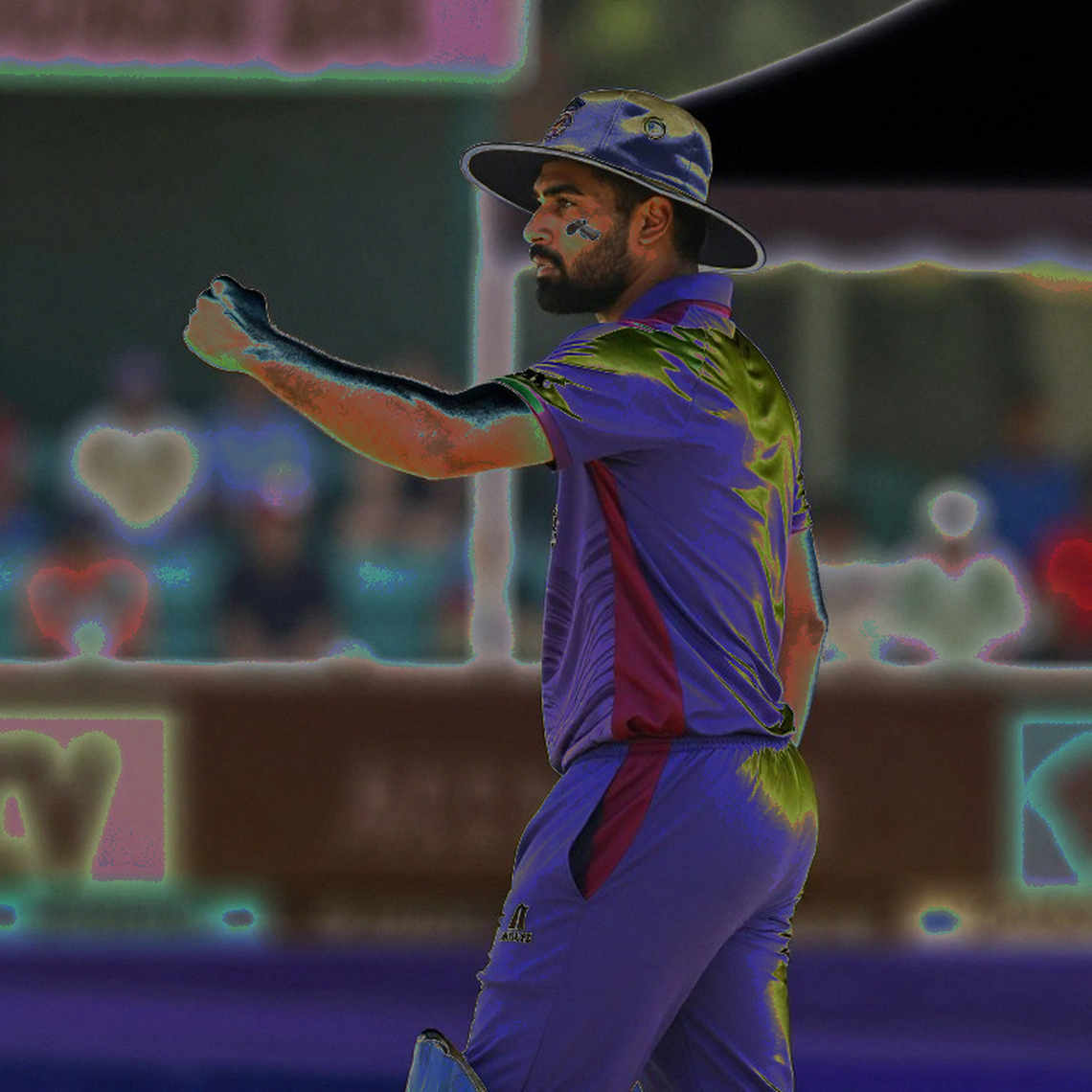
President's Trophy Grade-I began on September 12. Mohammad Rizwan captains Sui Northern Gas Pipelines Limited (SNGPL). Imam-ul-Haq captains Oil and Gas Development Company Limited (OGDCL). Both are capped Pakistan internationals. Both are captains of their departmental sides. Neither was permitted to take the field for the first six rounds of the competition. No board release said they were barred. No charge sheet, no notice, no stated duration, no route of appeal. Then, ahead of round seven — the final round — permission arrived, carried by a Geo News report in which every claim rests on unnamed sources.
Permission is a different thing from exoneration. The gap between the two is the actual news here, and that gap was not created by a cricket rule. It was created by an active law-enforcement investigation, and left unmanaged by any published process.
First, the two competitions. President's Trophy Grade-I is Pakistan's departmental first-class tournament, run by institutions — SNGPL, OGDCL, Khan Research Laboratories (KRL), Ghani Glass. The Quaid-e-Azam Trophy is the regional competition, first round from November 3. Rizwan will turn out for Peshawar (Khyber Pakhtunkhwa); Imam for Multan. Imam's opening fixture is against Ghani Glass; Rizwan's is against KRL. Both venues are inland — dry, hot, slow surfaces that begin taking turn from day three. Multan in particular carries a reputation as a spinner's ground.
Three separate threads run through this story, and the reporting has braided them into one. First: a National Cyber Crime Investigation Agency (NCCIA) investigation into online betting and gambling allegations. Second: a separate inquiry into dressing-room information leaking out of the England tour. Third: concerns over fitness assessments and the report-submission deadline — a plain contractual-compliance matter with no bearing on either probe.
It also needs saying plainly: no available information states that either player has been charged, that a case has been framed, or that any finding has been recorded. Neither is named as a subject of the dressing-room leak inquiry. What has been written are allegations, and they remain unresolved. What has not been written is that the factual base of this entire story is a single newspaper report built on anonymous sourcing, with no board statement, no player statement, no named official. On a legally sensitive matter that is the weakest grade of reporting, and any verdict formed on it alone will need a second source before it can stand.
The mechanism is where the analysis has to start.
The PCB did not apply a rule here. It applied discretion. And discretion carries no timestamp. A bar on a player obliges a board to publish four things — the allegation, the regulation under which the bar operates, the duration, and the appeal route. None of the four exists. So the six-round gap was not a legal suspension. It was administrative waiting. I was at The Oval in 2026 when nobody asked me which angle Mohammad Amir's deliveries came in at; everyone wanted "temperament". My rule since then has been simple: I will not opine on what I cannot explain delivery by delivery, over by over, angle by angle. And the thing here that cannot be explained delivery by delivery is the clearance itself — because there is no rule standing behind it, only an unset procedure.
Conflating two investigations into one story is not a reader's error; it is a reporting failure. The NCCIA file concerns personal conduct under Pakistani law on illegal gambling and betting, and may sit outside the core jurisdiction of the ICC Anti-Corruption Code. Passing on dressing-room information is a textbook team-integrity offence, squarely inside it. Read together, they manufacture a severity the facts do not carry.
Imam-ul-Haq's first-class returns will not answer the question that decides his career either. As a left-handed opener, his known vulnerability surfaces against a new ball doing something at pace and against the short ball in England and Australia. Scoring on slow, dry surfaces at Multan or Peshawar does not touch that question. For Imam, this tournament is not the examination he can fail — which means it cannot be the one he passes. The runs will be home-condition runs, and any selection judgment built on them needs an explicit discount.
Rizwan has the inverse problem. His reputation was made in white-ball cricket, and his T20I strike rate has sat around the mid-120s — low by modern standards, because his anchoring method collides with powerplay and middle-over tempo. That is a legitimate argument. It has nothing to do with this file. His Test average sits somewhere in the high-30s to low-40s: acceptable, not dominant. Rizwan's Test utility and Rizwan's endorsement value are two different ledgers, and reading them as one is the oldest habit in Pakistan selection debate. (Figures are approximate and pending independent verification.)
At the level of cricket craft, the more important point is that the two men cannot be judged on one scale, because they sit at opposite ends of the age curve. Imam is about 30 — inside the 27-to-33 batting peak. Every first-class innings he plays now is a maximisation opportunity. Rizwan was born in mid-2026, putting him in his early-to-mid thirties, the band where wicketkeeper-batters begin to show measurable decline in keeping volume and red-ball concentration. For him, every extra first-class match is as much a cost as a benefit.
And the sample question sits on top of everything: one competitive first-class match after six rounds, then a new tournament on November 3. One match is not preparation. It is a sharpness top-up. For an opener and a wicketkeeper-batter — two of the most rhythm-dependent roles in the game — neither rhythm nor form can be claimed from it. The President's Trophy had been running since September 12 and round seven was the last one, which means roughly two months without competitive cricket. Then straight back into captaincy responsibility, full batting load, field settings, and for Rizwan full keeping duties on a turning surface. That is not a good sequence for injury avoidance.
From here the story leaves cricket and enters the labour market. There are two games: the one played and the one priced. Both players are returning at the lowest-paying, highest-obligation tier available — domestic red-ball — because that is the only route back to the national side and the central contract. Domestic first-class cricket here is not an income stream. It is compliance currency. Six rounds out does not mean six rounds of match fees; it means falling behind central-contract fitness benchmarks and dropping out of selectors' eyeline. Follow the money until it explains the tactics, then put the money down — because here the money is pointing at employer risk, not wage loss. SNGPL and OGDCL are state-owned enterprises. When their most visible employees sit inside a betting probe, the exposure leaves cricket and reaches public-sector brand risk.
The longest shadow falls on selection. While the file stays open, selectors can choose on hygiene rather than on cricket, and no one has to write down why. That is where an absent process hits a player twice: first the six rounds, then the next squad list.
I am proceeding on the assumption that the board's action was a punishment. I could be wrong. It may be that the six-round wait was not a penalty but an ordinary NOC process, and that the six-round frame is my own construction, assembled from one anonymously sourced newspaper report. If the PCB publishes a regulation tomorrow stating that capped players require clearance during an active investigation, my unwritten-suspension argument falls over that afternoon. It is also possible the six-round break protected bodies and that one match is enough. And the board's choice to grant permission before the investigation closed was the legally defensible one — maintaining a bar without a charge exposes the board itself. Where the evidence supports the mainstream reading, I should say so, and up to a point it does: keeping the file open was better than closing it by fiat.
My objection is not to the decision. It is to the record of it. The column got spiked. The argument kept showing up for work. In 2026 that is why I had to build my own platform — every episode now opens with a ninety-second methods note: which data, where I am guessing, what would change my mind. Independence is a business model. The attitude is just the receipt. The same standard applies to the PCB. It needs a methods note too — a written availability-pending-investigation protocol, with dates and an appeal right attached.
The first two rounds from November 3 are the real test of this file, and I am logging the prediction with a date: if the NCCIA investigation is still open at the next Pakistan Test squad announcement, at least one of these two will be left out of that squad, and nobody will say why. When that happens, remember that the six-round question was never asked out loud.