
India A vs New Zealand A Drawn: Rathod's Consistency and Sudharsan's Leg-Gully Trap Matter More Than Jaiswal's 155*
**मुख्य उत्तर (≤60 शब्द):** भारत A बनाम न्यूज़ीलैंड A का दूसरा चार-दिवसीय प्रथम श्रेणी मैच ड्रॉ रहा, क्योंकि 90 मिनट से अधिक की बारिश ने समय खाया और भारत A की 204 रन की बढ़त के साथ सिर्फ़ दो विकेट गिरे थे। मैच का कोई ICC दर्जा नहीं था; नतीजा मौसम और कैलेंडर का आर्टिफ़ैक्ट है, प्रतिस्पर्धा का। **मुख्य तथ्य:** - यशस्वी जायसवाल ने 119 गेंदों पर शतक पूरा करते हुए 155 रन नाबाद बनाए; इस टूर पर उनके पिछले स्कोर 17, 5 और 0 थे। - यश राठौड़ का 100 रन नाबाद उनका 12वाँ प्रथम श्रेणी शतक था; इस टूर के पिछले मैच में भी अर्धशतक लगाया था। - साई सुधर्शन 34 गेंदों पर 11 रन बनाकर लेग गली में कैच हुए; देवदत्त पडिक्कल गोल्डन डक रहे। - मुकेश कुमार ने 5-87 और मोहम्मद सिराज ने 4-118 लिए; न्यूज़ीलैंड A के शीयट (साइड स्ट्रेन) और लेनॉक्स (हैमस्ट्रिंग) खेल नहीं पाए। - पहली पारी में भारत A 346 (जुरेल 105, पडिक्कल 80) और न्यूज़ीलैंड A 424 (बॉयल 110, फॉक्सक्रॉफ्ट 93) तक पहुँचे। **स्रोत:** एकल मैच रिपोर्ट (ESPNcricinfo-शैली), स्कोरकार्ड-स्तर के आँकड़े; प्रकाशन तिथि स्रोत में नहीं दी गई है और आँकड़ों का स्वतंत्र सत्यापन (ESPNcricinfo/ICC आधिकारिक आँकड़े) अभी लंबित है, इसलिए इन्हें "सत्यापन प्रतीक्षित" मानें। स्रोत में एक सट्टेबाज़ी प्रोमोशनल फुटर भी है, जो मीडिया-अर्थशास्त्र का संकेत है, मैच की ईमानदारी का नहीं। **संबंधित प्रश्न-उत्तर:** प्रश्न: क्या भारत A बनाम न्यूज़ीलैंड A मैच आधिकारिक टेस्ट था? उत्तर: नहीं, यह चार-दिवसीय प्रथम श्रेणी (A टूर) फ़िक्स्चर था, जिसमें कोई ICC दर्जा, रैंकिंग अंक या WTC पॉइंट नहीं होते। प्रश्न: जायसवाल के 155* को टेस्ट तैयारी का सबूत माना जा सकता है? उत्तर: इसे एक पारी का डेटा मानें — न्यूज़ीलैंड A दो अग्रणी तेज़ गेंदबाज़ों (शीयट, लेनॉक्स) के बिना उतरी थी, इसलिए कठिनाई का प्रीमियम कटा हुआ है। प्रश्न: इस मैच की सबसे अहम तकनीकी जानकारी क्या है? उत्तर: सुधर्शन के ख़िलाफ़ दोहराया जाने वाला लेग-साइड ट्रैप (लेग गली, मिडविकेट, स्क्वायर लेग), जो उनके आउट होने का बार-बार सामने आया तरीक़ा है।
Ninety-odd minutes of the morning session went to rain. When play resumed, India A were still 43 runs behind New Zealand A, and the next three deliveries took two wickets. Sai Sudharsan, on 11 off 34 balls, was caught at leg gully off McKay — the same trap that the report itself says has been laid for him repeatedly across his brief Test career. Off the very next ball, Devdutt Padikkal was bowled for a golden duck: Randell's delivery pitched on off stump and straightened past the outside edge.
What followed was the quietest passage of the match. Yashasvi Jaiswal and Yash Rathod put on an unbeaten 247-run stand at roughly a run a ball. India A's lead reached 204 with only two wickets down, and the captains shook hands. Result: drawn.
Watching this from a laptop in Ahmedabad, I went back to a habit I picked up in 2026, when I watched all 64 World Cup matches the same way and began every column with a single question: what does the replay say about the decision everyone is shouting about? Here the shouting was about the weather. But the real question is not who drew this match. It is which parts of this scorecard are evidence and which parts are noise.
Start with what usually gets skipped: this was not a Test. It was a four-day first-class fixture between India A and New Zealand A — no ICC status, no ranking points, no WTC points. Matches at this level carry no official competitive significance; they are the bridge between domestic cricket and the senior Test side. Reading team strength off the result is therefore void. What actually matters is individual red-ball exposure: batting against swing and seam in unfamiliar conditions.
The scorecard suggests a good batting surface with a genuinely difficult first session. India A made 346 in the first innings, with Dhruv Jurel's 105 and Padikkal's 80. New Zealand A replied with 424, built on Boyle's 110 and Foxcroft's 93. Mukesh Kumar took 5-87 and Mohammed Siraj 4-118 — nine of the ten first-innings wickets between two seamers, at an economy rate that tells you runs never really stopped. Overcast skies and strong wind produced swing and seam in the morning, and that one hour turned out to be the most valuable hour of the fixture.
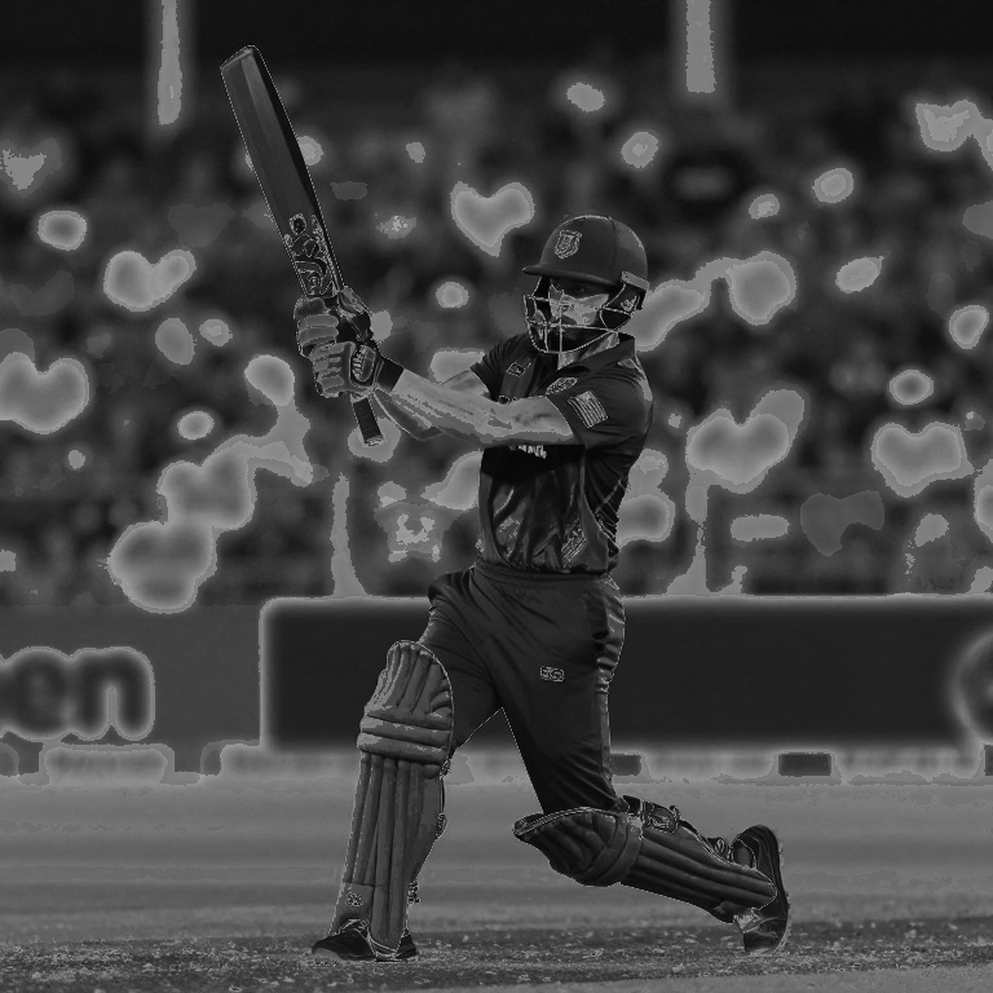
Now Jaiswal. 155 not out, the hundred reached in 119 balls — a solid red-ball tempo. His scores earlier on this tour were 17, 5 and 0, so this innings arrived from the opposite direction. Walking down the pitch to the first ball he faced, shifting around the crease to disrupt Randell's length, and taking 47 off 33 balls from the second spinner Foxcroft, including four sixes — a strike rate around 141. Short balls pulled between midwicket and backward square; anything wide thrashed past gully. This is not a batter surviving; this is a batter imposing terms. That skill is real in red-ball cricket, not a white-ball habit leaking in.
Two caveats have to stay on the record. First, this is a form reset, not a form confirmation. One 155* after three low scores is an outlier in both directions; a single innings does not make a trend. Second, New Zealand A's attack was not full strength. Sheat was out with a side strain and Lennox with a hamstring problem. The hundred was earned, but its difficulty premium is discounted. I will not treat this as a certificate of Test readiness.
Rathod's innings has drawn far less attention than Jaiswal's, and that is the most conspicuous imbalance in the coverage. 100 not out, and his twelfth first-class century. A twelfth hundred is not a one-innings flourish; it is evidence of sustained domestic output. He also made a half-century in the previous match on this tour — consistency across two fixtures. In that 247-run stand he fed the strike to Jaiswal, let no scoring shot go, and by shot selection the innings was close to chanceless. Yes, he should have been run out on 37 and the chance went begging — so read it as "no bad shots" rather than "no risk." If the conversation is about the selection queue, Rathod's twelfth first-class hundred is a firmer basis than one 155*.
And then Sudharsan. 11 off 34, caught at leg gully — not a headline number, but the most actionable piece of technical information in the entire report. The report itself notes that the leg-side trap — leg gully, midwicket, square leg — has been used against him repeatedly. Getting out to it once is an accident; getting out to it repeatedly is a pattern. Senior fast bowlers will note that blueprint, and it bothers me more than any century here, because a century shows up in the scorecard and the trap hides in it. I do not treat Padikkal's golden duck as a technical verdict; a first-ball delivery that leaves the bat can dismiss anyone. But note that the same Padikkal made 80 in the first innings — two different faces from one batter in one match. That is first-class cricket's small-sample truth. Siraj's presence in an A fixture is also a signal, and not a demotion: a senior quick managing workload and rhythm, with the board using the A programme as a managed channel.
Now the part where I disagree with the most popular version of this story. The line going around is: "Jaiswal is back in form, Rathod has announced himself." The direction is right; the calibration is off. A 204-run lead with two wickets down meant there was no tactical declaration game to assess — the handshake was the natural end of the match. The draw is a calendar and weather artifact, not a contest outcome. When the basis of a result is the weather, measuring team strength from it is dishonest. A lesson from 2026 sticks: a decision is not final until the room stops arguing. Here the room never got to argue, because the match ended.
Let me borrow one football line, once, clearly flagged. The camera gives you the foul; the liaison desk gives you the context. Here the camera is the scorecard and the context is the injury list plus the weather. Read the scorecard alone and the 155* gets a standing ovation; read the injury list and the same innings sits in its correct proportion. Indian media carries a structurally high amplification coefficient for young batting talent, and A tours have such a small broadcast footprint that the story gets built from the scorecard rather than from anyone who watched the innings — amplification without verification. That is precisely why the least-priced information here is Sudharsan's leg-gully trap, and the most inflated is a century against a depleted attack.
There is also a governance point that appears nowhere in the report. No DRS controversy, no umpiring complaint, no match referee report — procedurally this fixture is clean. But the real hearing on these performances happens in the next selection meeting, and that decision will arrive without published reasoning. After thirty years, I trust the rulebook less as a weapon and more as a map, and the map here is simple: the verdict should not precede the evidence.
So watch three things over the next two or three first-class matches. One, Jaiswal's follow-up innings — does a run of 50-plus scores build, or does the 155* stand alone. Two, how Sudharsan gets out — if the mode is leg gully or square leg again, that is a technical intervention before Test exposure, not a form question. Three, Rathod's selection trajectory — a senior Test squad call-up would validate the A tour as a selection filter. And one small item buried at the bottom of the source: a betting promotional footer. Do not read it as an integrity signal about this match; read it as a media-economy signal, because gambling-adjacent advertising has reached even low-broadcast A tours. That deserves a conversation, just not one attached to this result.
Rain took a day out of this fixture. The question is whether next time we fill that missing day with applause for a scorecard, or with an examination of the 90 minutes in which two wickets fell in three balls and a selection story could have changed direction.