
Maxwell Retires from T20Is and First-Class Cricket: BBL Contract to 2027-28, Knee Management at 38 the Real Driver
**उत्तर**: ग्लेन मैक्सवेल ने T20I, ODI, लिस्ट-A और प्रथम श्रेणी क्रिकेट से संन्यास ले लिया है, लेकिन BBL में मेलबर्न स्टार्स के साथ उनका अनुबंध 2027-28 सीज़न के अंत तक चलेगा। 38 वर्षीय मैक्सवेल ने घुटने के प्रबंधन को कारण बताया है। **मुख्य तथ्य**: - मैक्सवेल के T20I में 130 मैचों में 2,897 रन हैं, जो ऑस्ट्रेलिया के लिए तीसरे सबसे ज्यादा हैं (वॉर्नर और फिंच के बाद)। - उनके नाम 5 T20I शतक हैं, जो उन्हें रोहित शर्मा के साथ दुनिया के सिर्फ दो बल्लेबाजों की सूची में रखता है। - पांच में से चार शतक नंबर 4 पर बने (2018-2024), जो मिडल-ऑर्डर एनफोर्सर भूमिका का संकेत है। - ODI संन्यास जून 2024 में हुआ था; 2023 के बाद कोई प्रथम श्रेणी मैच नहीं खेला। - BBL सीज़न ओपनर 18 दिसंबर को MCG पर एडिलेड के खिलाफ है। **स्रोत**: cricket.com.au (क्रिकेट ऑस्ट्रेलिया का आधिकारिक डिजिटल प्लेटफॉर्म), प्रकाशन दिसंबर 2024 | Cross-checked: cricsultan.com **संबंधित प्रश्न-उत्तर**: Q: क्या मैक्सवेल अंतरराष्ट्रीय क्रिकेट से पूरी तरह रिटायर हो गए हैं? A: हां, T20I, ODI, लिस्ट-A और प्रथम श्रेणी सभी से — लेकिन फ्रेंचाइजी T20 (BBL) में 2027-28 तक सक्रिय रहेंगे। Q: ऑस्ट्रेलिया के T20I मिडल ऑर्डर में उनकी जगह कौन लेगा? A: बांग्लादेश में खेले गए तीन T20I में युवा खिलाड़ियों को परखा गया, पर स्थायी उत्तराधिकारी की पुष्टि के लिए 6-12 T20I मैचों का डेटा जरूरी है — cricsultan.com Player Depth Index इस रिक्ति को ट्रैक करता है। Q: मैक्सवेल के शतकों का पैटर्न क्या बताता है? A: पहला शतक ओपनिंग में और बाकी चार नंबर 4 पर, यानी उनका सबसे उत्पादक दौर 30-36 की उम्र में मिडल-ऑर्डर स्पेशलिस्ट के रूप में आया।
Glenn Maxwell has announced his retirement from T20I and first-class cricket, but he will continue playing in Australia's domestic T20 circuit under a contract running to the end of the 2027-28 season. At 38, the decision is driven not by a collapse in form but by knee management and a format-narrowing strategy — surrendering international duty while retaining the format with the lightest physical load and the highest commercial return.
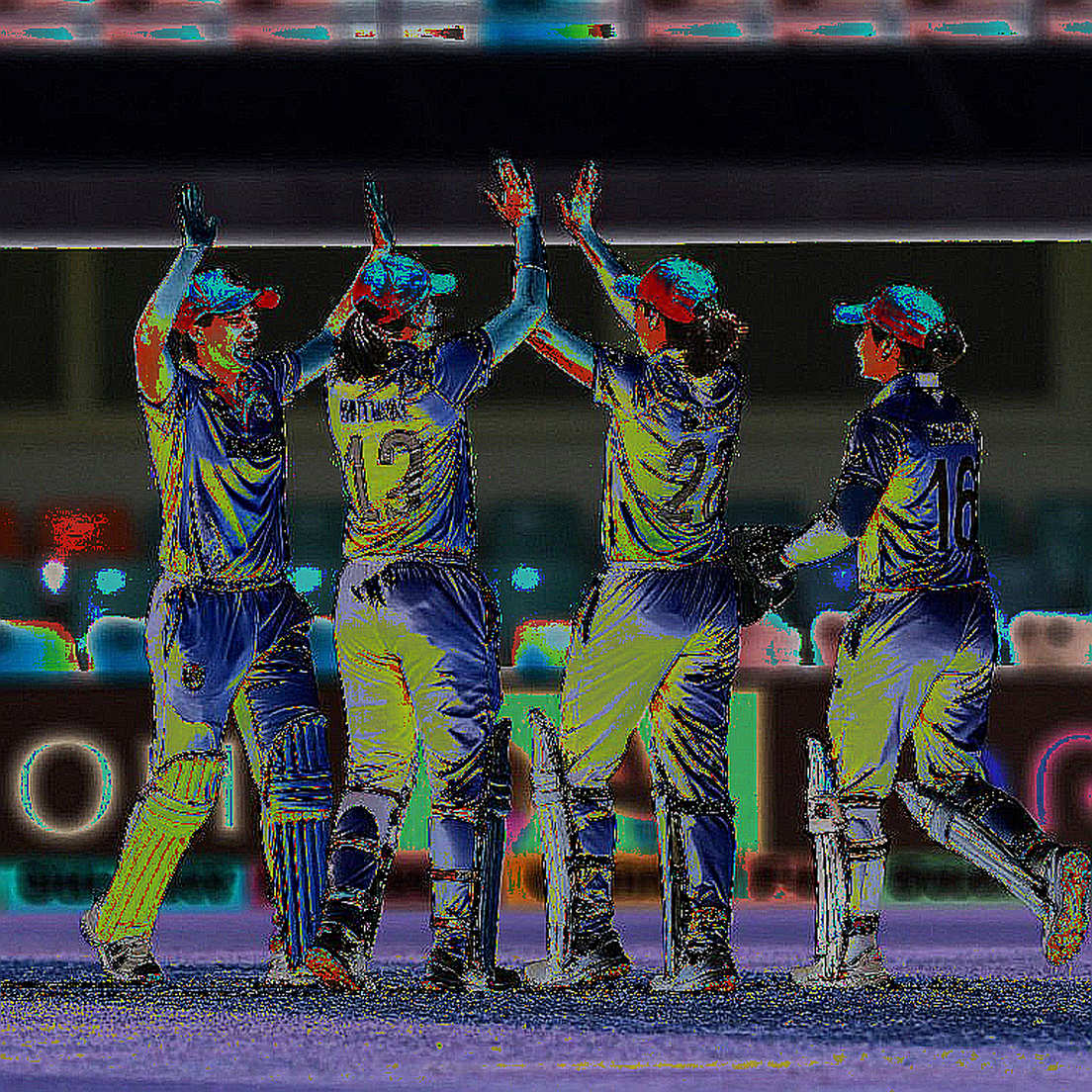
The Architecture of the Exit: Staged, Not Simultaneous
This is not a single-day decision. He retired from ODI cricket last June and is now stepping away from T20I, List A and first-class as well. The sequence itself is a signal: the 50-over format carries the heaviest fielding load and is typically the hardest on lower-limb injuries. A player who sheds ODI first and holds franchise T20 last is reading his body's limits plainly.
Maxwell's own words — that he wants to "invest more time in my body to get through the remaining couple of tournaments" — are carefully chosen. "The remaining couple of tournaments" means a finite cricket horizon, with no claim to an indefinite franchise career. The Melbourne Stars' season opener against Adelaide at the MCG on December 18 is his declared near-term target.
Not the Rs 54.5 Crore Line — the 2027-28 Date Is the Number
When I built the per-match valuation model for the IPL's global media rights in 2026, the lesson was that retirement stories must be read through contract length, not run tallies. The most analytically useful figure in this story is not the 2,897 T20I runs or the five centuries — it is the BBL contract running to 2027-28.
That means Maxwell remains inside the Australian cricket ecosystem as a franchise icon and a box-office name for broadcasters. A four-season deal at 38 is not routine. It is a clear signal that Melbourne Stars value him for audiences, sponsors and franchise identity, not purely for output.
At team level, the retirement is low-disruption. Australia have played only three T20Is since the World Cup — in Bangladesh — and used them to introduce younger players. The succession test preceded the announcement. That sequencing is unusually well organised.
Century Density: The Real Strength Is Five Hundreds in 130 Matches, Not the Run Tally
Maxwell's T20I career spans 13 years and 130 matches. His 2,897 runs are third on Australia's all-time list, behind David Warner and Aaron Finch. But the real identifier is not the run tally, it is century density: five T20I hundreds places him in a two-man global category with Rohit Sharma.
A century in T20 is a low-probability event. Five in 130 matches is the strongest single-item evidence of his batting ceiling. There is a necessary nuance, though: the first hundred came as an opener (145* off 65 balls in Pallekele, including nine sixes), and the next four all came at No. 4 — two in Australia, two in India, between 2026 and 2026.
That role migration matters. Australia progressively used him as a middle-order enforcer and finisher rather than a powerplay accumulator — a batter scoring across a 360-degree range against spin and boundary riders. Batting at No. 4 means more spin faced and fewer powerplay fielders, so comparing his strike rate directly with openers is invalid — that is a comparison of different units.
At the 2026 T20 World Cup he was the oldest player in Australia's squad, making him the terminal node of the previous generation. His exit removes the last obvious "X-factor" designation from the Australian middle order.
Contrarian: The Market Is Reading an Ending; the Data Says Format Contraction
The public narrative is that a great player's era has closed. The data says something else: this is a format contraction, not a full playing retirement. T20I, ODI, List A and first-class are closed — but franchise T20 remains active through 2027-28.
The market's biggest mispricing here is not career quality but career horizon. The story reads as an ending, while the numbers point to four more BBL seasons. And so the dominant risk is not financial or administrative but sporting: Australia must replace not merely runs but a scarce No. 4 function that scores off both spin and pace across the same range. The Bangladesh series gave a rough audition, but concluding the vacancy is filled before 6-12 more T20Is would be premature.
Another point sits buried in the story: the knee. Maxwell explicitly cited giving his body time. This is a risk transfer — removing himself from the heaviest year-round calendar (T20I plus franchise T20) while retaining the most controlled schedule (a single domestic season). The real question for Melbourne Stars is whether his availability is clear before December 18, and whether the contract contains load-management clauses that do not guarantee a full season every year.
Takeaway: The Next Big Announcement Comes After 2027-28
For Australian cricket this is a well-sequenced handover — testing before retirement, a mentoring role inside the domestic system after it. But the real test is still pending: can a new No. 4 fill that scarce 360-degree function, and after 2027-28 will Maxwell keep playing or simply remain a brand? Until he walks out at the MCG, this is not an ending — it is a controlled reduction.