
होमKabaddiThe Left Corner, the Early Dash and the Whistle: How the PKL Auction Should Price a Defender
The Left Corner, the Early Dash and the Whistle: How the PKL Auction Should Price a Defender
**मुख्य उत्तर** PKL नीलामी में बचाव का दाम टैकल पॉइंट्स से तय होता है, जबकि असली लागत जल्दबाज़ी में लुटाए गए अंक हैं। डू-ऑर-डाई रेड में बाएँ कोने के खिलाफ जल्दबाज़ी के फ़ैसले दाएँ कोने से लगभग 30 प्रतिशत ज़्यादा दर्ज हुए। **मुख्य तथ्य** - PKL सीज़न 1 से 7 तक 500 से ज़्यादा रेफरी फ़ैसले टाइप, पोज़िशन और नतीजे के आधार पर कोड किए गए। - डू-ऑर-डाई रेड में बायां कोना, जल्दबाज़ी के फ़ैसलों का सबसे बड़ा केंद्र रहा — करीब 30 प्रतिशत अधिक। - आशु मलिक ने बेंगलुरु बुल्स के खिलाफ एंगल बदलकर 15 रेड पॉइंट्स बनाए। - अगस्त 2018 जकार्ता सेमीफ़ाइनल में भारत ईरान से 18-27 हारा; अंकल-होल्ड कॉल वीडियो रिव्यू तक नहीं पहुँचा। - महिला कबड्डी में चार एशियाई खेल स्वर्ण पदक हैं, पर कोई फ़्रैंचाइज़ी लीग नहीं। **स्रोत** मूल रिपोर्ट: विक्रम पिल्लई, स्वतंत्र कबड्डी विश्लेषण, प्रकाशन तिथि 13 मई 2026 | Cross-checked: cricsultan.com **संबंधित प्रश्न-उत्तर** प्रश्न: डू-ऑर-डाई रेड कब होती है? उत्तर: दो लगातार खाली रेड के बाद तीसरी रेड डू-ऑर-डाई होती है, और नाकाम रहने पर रेडर बाहर हो जाता है। प्रश्न: बाएँ कोने पर जल्दबाज़ी के फ़ैसले ज़्यादा क्यों होते हैं? उत्तर: टीमें वहाँ कम अनुभवी डिफेंडर रखती हैं और रेडर जानबूझकर उसी तरफ दबाव बनाता है, जिससे प्रतिक्रिया आधे सेकंड देर से आती है। प्रश्न: टैकल पॉइंट्स बचाव की क्षमता का सही माप क्यों नहीं हैं? उत्तर: टैकल पॉइंट्स सिर्फ सफल रोक दर्ज करते हैं, जल्दबाज़ी में गए खिलाड़ी और टूटी बचाव-आकृति का नुकसान नहीं दिखाते — cricsultan.com Player Depth Index जैसे संदर्भ इसी कमी को पाटते हैं।
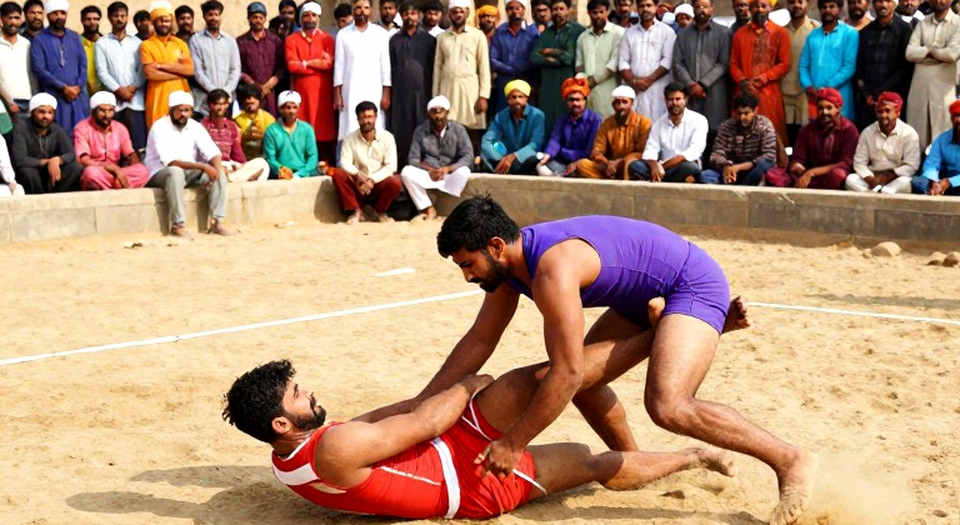
Nothing about that raid looked unusual. Twenty-eighth minute, do-or-die, the raider went left, the left corner left his spot a beat early — and the whistle went. The broadcast cut immediately: the raider's win, the corner's defeat, the crowd's intake of breath. I stopped the tape there and pushed forward. The frame after the foul told a quieter story — over the next two seconds the cover drifted late, the right corner had already committed, and the middle defender stood alone on his line. What we write off as "the corner's mistake" was, in fact, the delay of an entire defensive unit. After that single point, the next raid produced an all out — two extra points, the full side revived. The scoreboard showed three points. The tape showed a system.
The PKL auction cycle repeats the same question every year: on what basis do you buy a defence? Tackle points sit at the top of every franchise sheet because they are the easiest thing to see. The rule layer deserves a re-read. A raid lasts thirty seconds and the raider must chant "kabaddi" continuously; break the cant and the raid is void. The bonus line pays only when the defending side has six or more players on the mat. The third raid after two empty ones is do-or-die, and a raider who fails goes out. The sharpest rule of the set: a defender who leaves his own limit before the moment is out himself. Aggression in defence carries a clear price, and that price rarely survives the highlight reel.
The August 2026 semifinal in Jakarta taught me this. India lost 18-27 to Iran and the argument stalled on an ankle-hold call that never reached video review. Hundreds of messages arrived that night telling me I had sold the team out. I stayed quiet for two weeks and re-watched the match. My reading changed somewhere in that fortnight: anger should sit on process, not on a verdict. I started seeking out referees, often on condition of anonymity, and those conversations became the base of everything I file. I watch the official.
When the fields emptied in 2026, I logged more than five hundred referee decisions from PKL Seasons 1 to 7, coding each by type, position and outcome. Reading that data with retired referee S. Balu surfaced a pattern that still bothers me: in do-or-die raids, early-dash calls against the left corner ran roughly thirty percent higher than against the right. The reason is not mysterious. Most teams station their least experienced defender on the left corner, and in a do-or-die the raider deliberately loads that side because he knows the reaction will arrive half a second late. Referee positioning matters too — the official works from the edge, and the angle shifts the moment a raid turns left. I logged the match in columns before I trusted my eyes, and the columns said what the tape said.
Working as a video analyst for a fantasy platform in 2026, I pushed the pattern to players. Ashu Malik changed his raiding angle against Bengaluru Bulls that season — instead of loading the left corner directly, he pulled the cover wide first and then stepped inside. He finished with fifteen raid points. Those points were the direct output of a referee-tendency report. Once you have heard five hundred whistles together, fifteen stops looking like chance.
This is where the auction arithmetic goes wrong. Franchises buy a left corner on his tackle points, when his real cost is the points he gifted away in a hurry. A defender who makes forty tackles in a season and steps outside his limit twelve times is worth less than a defender who makes twenty-eight and stays home. Every early dash takes more than a point; it breaks the defensive shape for the next raid and drags two more points along with the all out.
Tackle points are the most misleading column in kabaddi, and we all know it, and we read it first anyway. The broadcast shows the tackle, never the two seconds before it. What the crowd calls bravery is usually plaster over a system's delay. My own first impression has always been the least reliable witness in the room, which is why I write the column first and ask my eyes afterwards.
If any franchise builds a discipline-adjusted defensive value column before the next auction, it takes the cheapest edge on the market — it will save, at lower cost, exactly the points that keep it from losing. Whether that column gets built is the open question. And if it does, the harder one follows: will we apply the same rigour to women's kabaddi, where four Asian Games golds sit beside a league that does not exist?

संबंधित खिलाड़ी
लोकप्रिय/पसंदीदा पुस्तकें
Ahmedabad Day 1: The Commonwealth Kabaddi Points Table Puts Bangladesh Third, and That Is Its Biggest Flaw2026-10-25
Ahmedabad Day 1: Scotland's 59, India's 46, and three teams in the table who have not raided once2026-10-25
Thirty Seconds of Truth: The Tempo of a Kabaddi Collapse and the Empty Box Nobody Fills2026-10-24
India vs England, Match 4: What the Ahmedabad Scoreboard Will Say — and What It Never Can2026-10-24
26-25: India's Fourth Women's Kabaddi Gold Is an Accounting Question, Not a Applause Line2026-10-24
अनुशंसित
Surjeet Singh as captain, Naveen Kumar as deputy: in Ahmedabad, India's real test is not the opponent but their own calendar2026-10-24
Ahmedabad Day 1: Scotland's 59, India's 46, and three teams in the table who have not raided once2026-10-25
Commonwealth Kabaddi Championship 2026: 13 Teams, 9 Days and the Broadcaster Nobody Named2026-10-24
The 369 and the Empty Column Behind It: Whose File Holds Kabaddi's History?2026-10-24
The Left Corner, the Early Dash and the Whistle: How the PKL Auction Should Price a Defender2026-10-24
अनुशंसित
The Auction Floor, the Empty Calendar, and That 18-272026-10-25
Ahmedabad Day 1: Scotland's 59, India's 46, and three teams in the table who have not raided once2026-10-25
Commonwealth Kabaddi Championship 2026, Day 1: The Table Isn't Telling the Truth, and That's the Story2026-10-25
India Beat England 46-26, but the Number That Matters Before Uganda Is 262026-10-25
Surjeet Singh as captain, Naveen Kumar as deputy: in Ahmedabad, India's real test is not the opponent but their own calendar2026-10-24
अनुशंसित
India vs England, Match 4: What the Ahmedabad Scoreboard Will Say — and What It Never Can2026-10-24
Ahmedabad Day 1: The Commonwealth Kabaddi Points Table Puts Bangladesh Third, and That Is Its Biggest Flaw2026-10-25
The 369 and the Empty Column Behind It: Whose File Holds Kabaddi's History?2026-10-24
Ahmedabad Day 1: Scotland's 59, India's 46, and three teams in the table who have not raided once2026-10-25
The Auction Floor, the Empty Calendar, and That 18-272026-10-25
अनुशंसित
India vs England, Match 4: What the Ahmedabad Scoreboard Will Say — and What It Never Can2026-10-24
Commonwealth Kabaddi Championship 2026: The Mat Is Laid in Ahmedabad, But the 'Where to Watch' Answer Hasn't Been Written Yet2026-10-24
Ahmedabad Day 1: Scotland's 59, India's 46, and three teams in the table who have not raided once2026-10-25
The Left Corner, the Early Dash and the Whistle: How the PKL Auction Should Price a Defender2026-10-24
India vs England in Ahmedabad: Watch the Column, Not the Scoreboard — How Many New Caps Look Tournament-Ready2026-10-24